


Vitamin C is the most recommended thing for dark marks and the most commonly wasted. People buy a bottle, use it for a month, see nothing, and conclude it does not work on them.
Usually the product was wrong, the timeframe was wrong, or they were not wearing sunscreen. Sometimes all three.
Here is how to buy one specifically for pigmentation, which is a narrower question than “which vitamin C is good”.
 Save
Why vitamin C works on pigment at all
Dark marks are melanin that got made and then parked in the wrong place. An enzyme called tyrosinase is the bottleneck in producing that melanin.
Vitamin C interferes with that enzyme. Less new pigment gets made, and meanwhile your normal cell turnover carries the existing pigment upward and off.
That is the whole mechanism, and it explains the timeframe. You are not removing what is there, you are stopping the top-up and waiting for turnover to do the rest. Turnover takes about a month per cycle, which is why twelve weeks is the honest minimum.
The spec to buy against
 Save
The partner ingredients row is the one people skip, and for pigmentation it matters more than the percentage on the front.
Watch this before you start
Why vitamin E and ferulic acid matter here
Vitamin C is unstable on its own. Ferulic acid stabilises it and roughly doubles how long it survives in the bottle. Vitamin E works alongside it and the two together handle a broader range of damage than either alone.
For general antioxidant use you can get away without them. For pigmentation, where you need the thing to still be active twelve weeks into a bottle, they are close to essential.
Look for all three on the ingredients list. It is a common combination and it is not expensive to find.
 Save
What else to look for
- 15% L-ascorbic acid. Below 10% is underpowered for pigment. Above 20% adds irritation without adding results.
- A pH under 3.5, which brands rarely print but good ones mention. Above that the acid does not absorb properly.
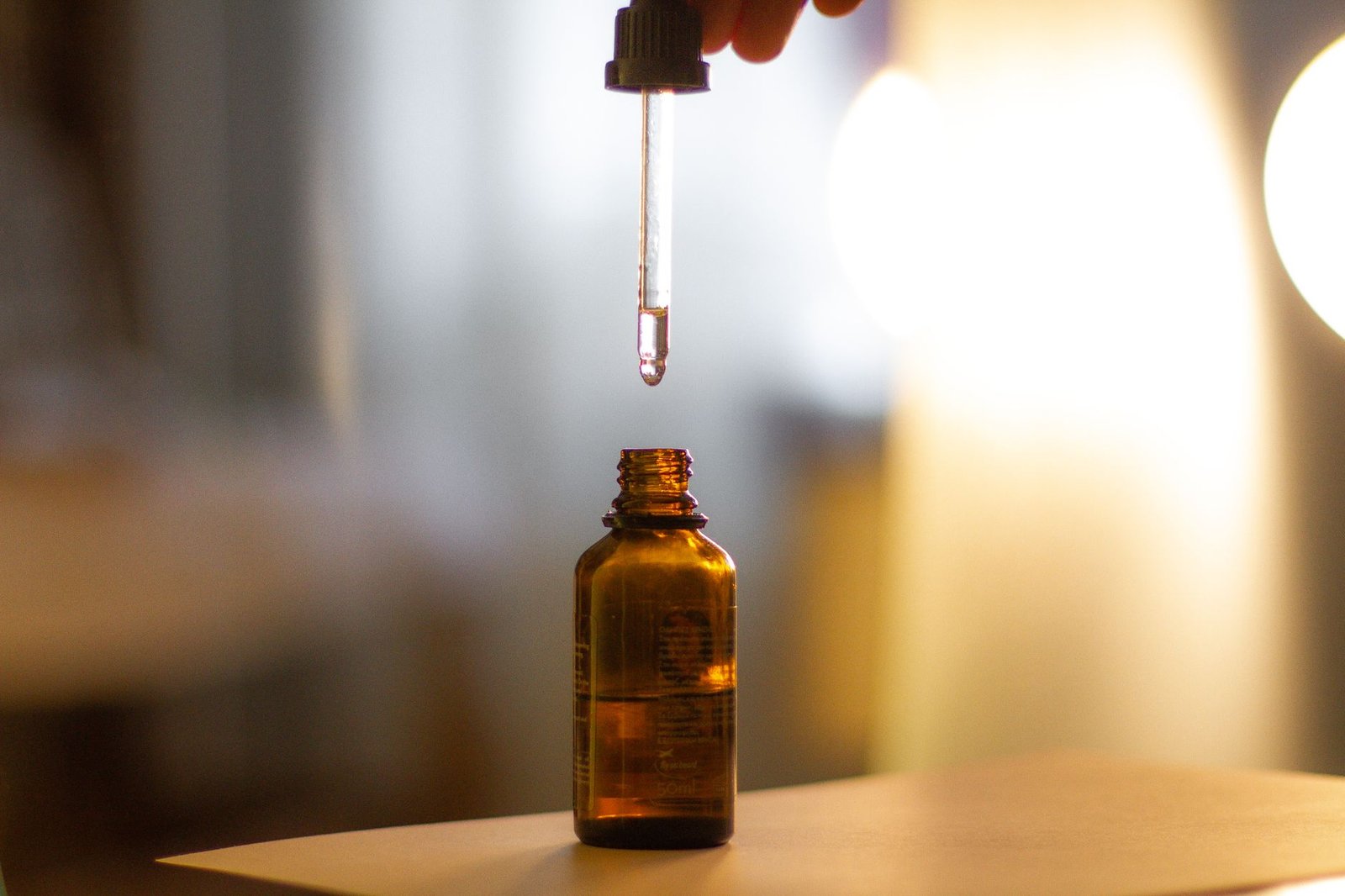
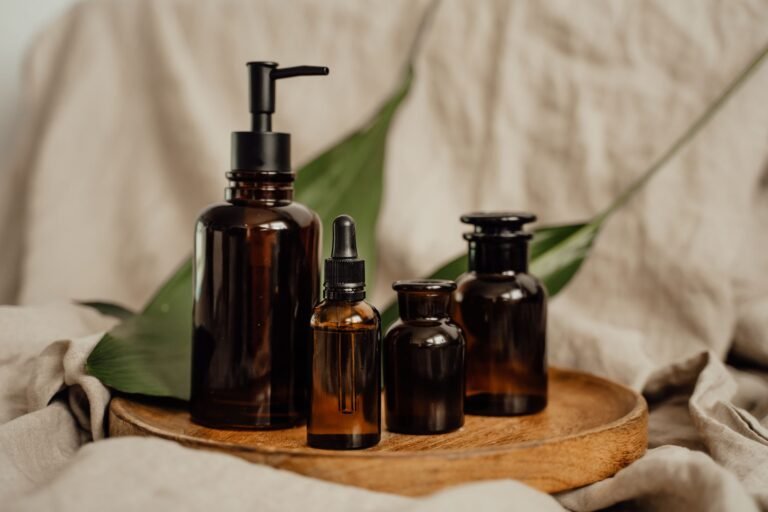
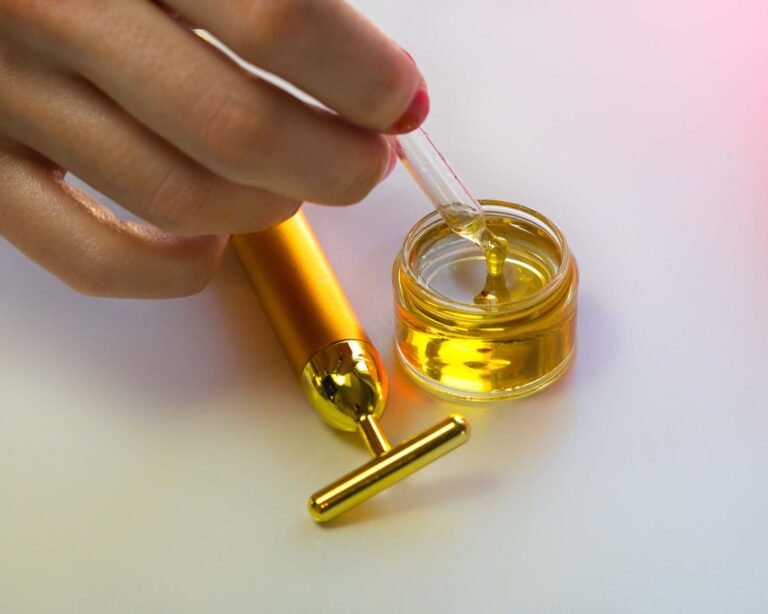
- Opaque, airtight packaging. A pump, not a dropper. This is the spec most reviews ignore and it decides whether week ten does anything.
- A small bottle. 30ml you finish in three months beats 100ml that oxidises in your cabinet.
If L-ascorbic acid irritates you, tetrahexyldecyl ascorbate is the derivative worth trying. It is oil-soluble, far more stable, gentler, and slower. Slower is fine when you were signed up for twelve weeks anyway.
What to stack with it
Vitamin C alone will fade marks. Vitamin C plus one partner works noticeably better, because pigmentation responds to being approached from more than one angle.
With niacinamide. Niacinamide stops pigment being handed to surface cells, which is a different step in the same chain. Good pairing, easy to tolerate.
With azelaic acid. Also works on tyrosinase, and calming. Excellent if your marks came from spots.
With retinol at night. Speeds up the turnover half of the equation. This is the strongest combination, and the one most likely to irritate, so build to it.
 Save
The part that decides everything
Sunscreen. Every morning, properly applied, reapplied if you are outdoors.
UV is what triggers pigment production in the first place. Using vitamin C without sunscreen means you are blocking a fraction of the production while continuously stimulating more of it. You will spend twelve weeks and see nothing, and reasonably conclude the serum was useless.
IMO this is the single reason most people’s pigmentation routines fail, and it costs nothing to fix.
What kind of marks respond
Marks that sit shallow, like the brown patches left behind after spots, respond best and fastest. Sun-related freckling and general unevenness respond reasonably.
Deeper, older, hormonal pigmentation is much more stubborn and often needs more than a serum. If that is what you are dealing with and three months of consistent effort has done nothing, that is a conversation with a professional rather than another bottle.
 Save
How to track it honestly
Photograph day one in daylight by a window, no makeup, same angle, same time of day. Then week six and week twelve.
Do not photograph in the bathroom. Bathroom lighting is overhead and yellow and it flattens exactly the thing you are trying to measure.
Marks fade from the edges inward, so for weeks the mark looks the same size and slightly less defined. That reads as no progress right until the day it obviously is.
A routine that puts it together
Here is the whole thing as one routine, which is more useful than a list of ingredients.
Morning. Gentle cleanser. Vitamin C serum on dry skin, three or four drops. Wait a minute. Moisturiser. Sunscreen, generously, and again if you are out in it.
Night. Cleanser. Niacinamide or azelaic acid. Moisturiser. Once you are settled, swap one or two nights a week for retinol instead.
That is five products and it covers every angle pigmentation can be approached from. Adding a sixth rarely helps and usually just makes it harder to work out what caused a reaction.
The mistakes that waste twelve weeks
- Skipping sunscreen at weekends. Pigment does not know it is Saturday.
- Switching products at week four because nothing has happened yet. Nothing was supposed to have happened yet.
- Buying a value-size bottle that oxidises before you reach the bottom.
- Storing it on a sunny windowsill or in a hot bathroom.
- Adding an exfoliating acid on top and irritating skin that then produces more pigment.
Every one of those is more common than choosing the wrong serum, and every one of them is free to fix.
Common questions
How long until dark spots fade?
Twelve weeks minimum, often sixteen. Anything visible before eight weeks is a bonus rather than the expectation.
Morning or night for pigmentation?
Morning, under sunscreen. The antioxidant protection and the pigment blocking both work best during daylight exposure.
Is a stronger percentage better for marks?
Only up to about 20%. Past that you get irritation, and irritation can itself cause more pigmentation, which is the exact opposite of the plan.
Can I put it directly on the spot?
Use it across the whole area. Spot-treating tends to leave patchy tone, and the surrounding skin is producing pigment too.
My serum went orange after six weeks. Is that normal?
It means it oxidised early, usually from a dropper bottle or a warm bathroom. Replace it and buy something in an airtight pump.
The short version
15% L-ascorbic acid with vitamin E and ferulic acid, in an opaque airtight pump, used every morning under sunscreen. Pair it with niacinamide or azelaic acid. Photograph day one. Judge it at twelve weeks.
And wear the sunscreen. Everything above is decoration without it. :/

Leave a Reply