

Rosehip oil is the facial oil that broke through to people who do not otherwise use facial oils. It has been recommended by everyone from beauty editors to your aunt, usually with a vague claim about scars attached.
Most of what it is credited with is real. One of the most repeated claims is not. And the difference between a bottle that works and one that does nothing is printed on the label in small type.
 Save
Where it comes from
Rose hips are the fruit left behind after a wild rose flowers, usually Rosa canina or Rosa rubiginosa. They are the small red or orange berries you see on hedgerows in autumn.
The oil is pressed from the seeds inside those fruits. It is not made from rose petals and it does not smell of roses. If your bottle smells strongly floral, that is added fragrance, which is worth knowing.
Its own smell is faintly earthy and slightly nutty, and it should be a golden to deep orange colour.
 Save
What it genuinely does
 Save
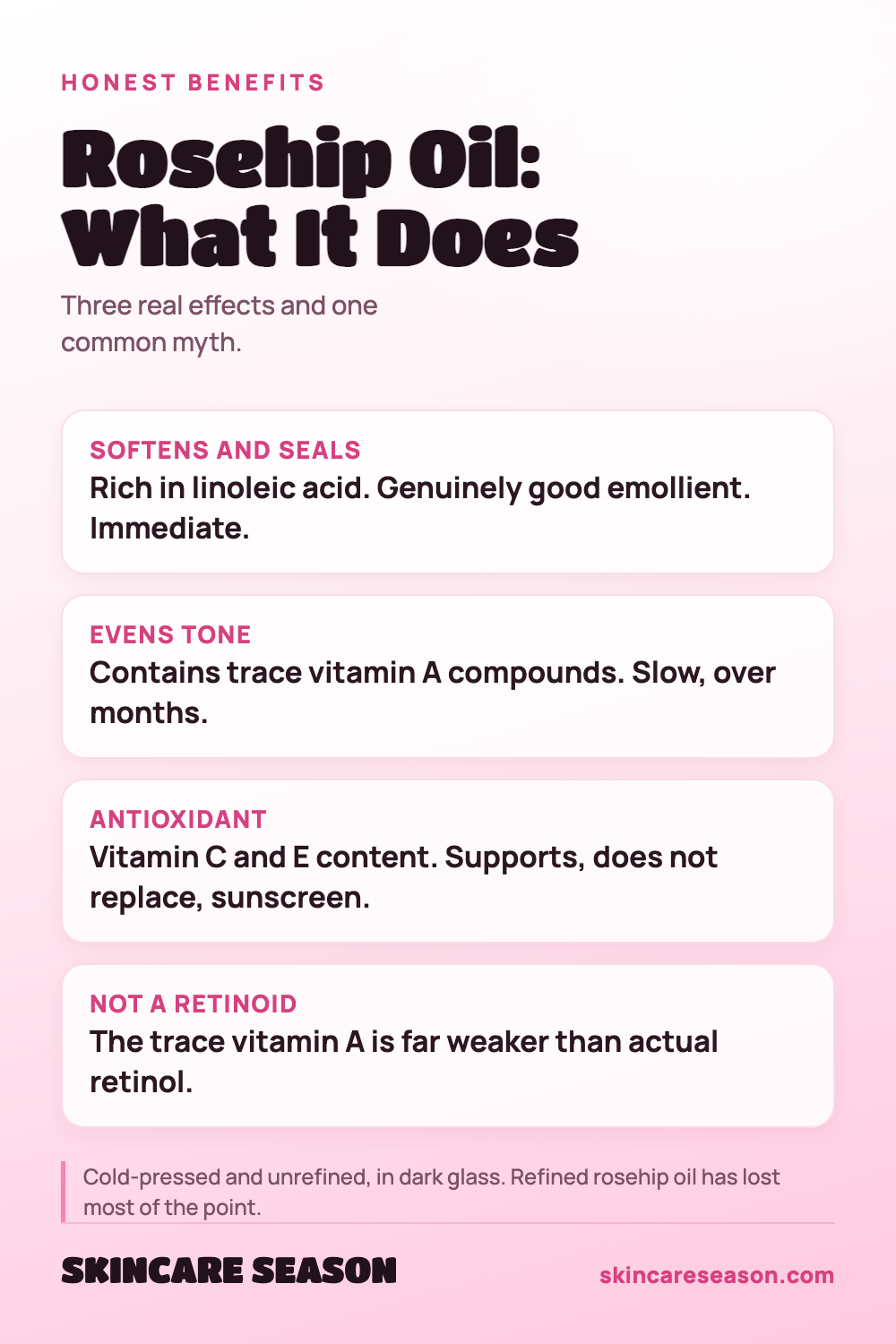
The first row is the one nobody gets excited about and the one doing most of the work. Rosehip oil is around 45% linoleic acid, which is unusually high, and linoleic acid is exactly what skin uses to keep its barrier intact.
That matters practically: oils high in linoleic acid tend to feel light and absorb well, and are much less likely to sit on the surface and clog things than oils high in oleic acid.
The scar claim, honestly
This is the one worth being straight about, because it is the reason a lot of people buy it.
Rosehip oil contains trace amounts of vitamin A compounds, and vitamin A derivatives do improve skin texture and tone over time. That is where the claim comes from and it is not invented.
But the amount is small, far below what a proper retinoid delivers. It will genuinely help flat, discoloured marks look more even over several months. It will do essentially nothing for raised or indented scarring, which is a structural problem that no oil addresses.
IMO the fair summary is: helpful for tone, irrelevant for texture, and not a retinoid substitute. :/
Cold-pressed and unrefined, or do not bother
This is the single most useful buying rule and it is where most disappointment comes from.
- Cold-pressed means extracted without heat. Heat destroys the vitamins and fatty acids you are paying for.
- Unrefined means it has not been bleached or deodorised. Refining strips the colour and most of the actives.
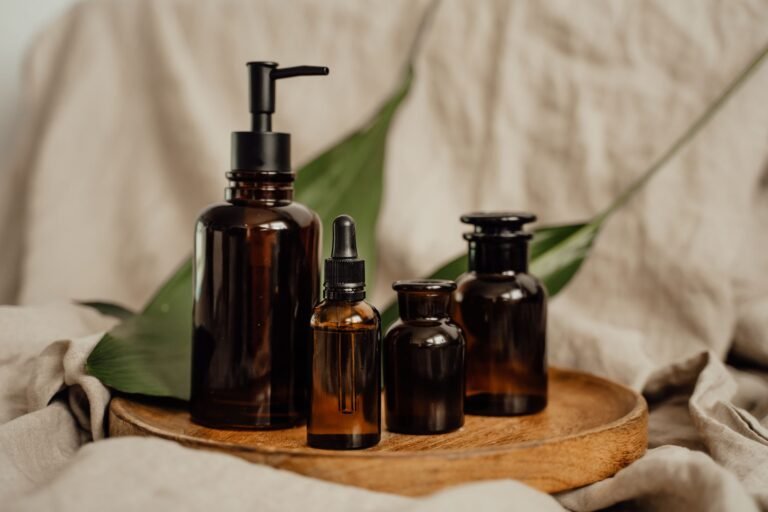
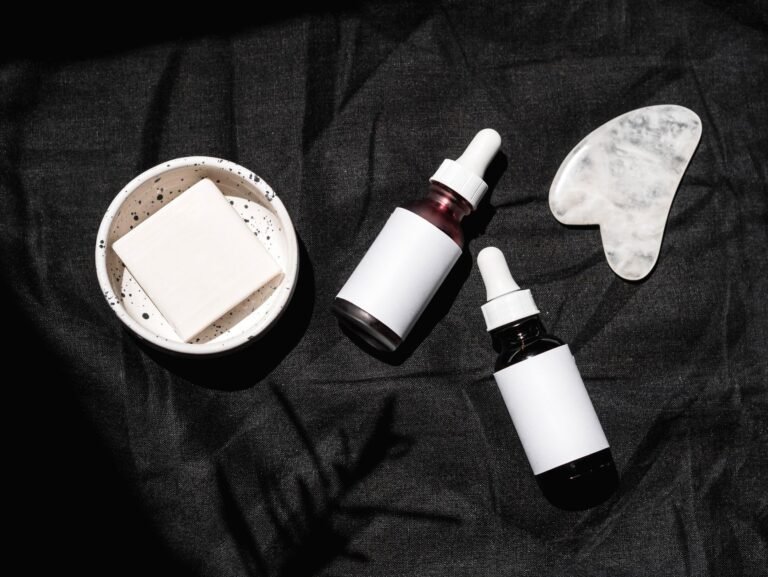
- Dark glass because it oxidises fast in light.
- Golden to deep orange. A pale, clear, odourless oil has been refined into a plain emollient.
A cheap refined rosehip oil is not a bargain version of the same thing. It is a different product wearing the same name.
 Save
Who should skip it
Oily and acne-prone skin, mostly. Despite the favourable linoleic acid content, plenty of people with congested skin find any facial oil makes things worse, and rosehip is no exception.
If that is you, the sensible approach is to use it on your body, where it is excellent, and leave your face to lighter products.
It also oxidises faster than almost any oil in common use. A bottle you have had open for six months has likely gone off, and oxidised oil is mildly irritating rather than beneficial. Buy small bottles and keep them out of the bathroom windowsill.
How to use it
Oils go last in a routine, after anything water-based, because nothing water-based will get through an oil layer.
Three or four drops for a whole face. Warm them between your palms and press in rather than rubbing. On slightly damp skin it spreads further and absorbs better.
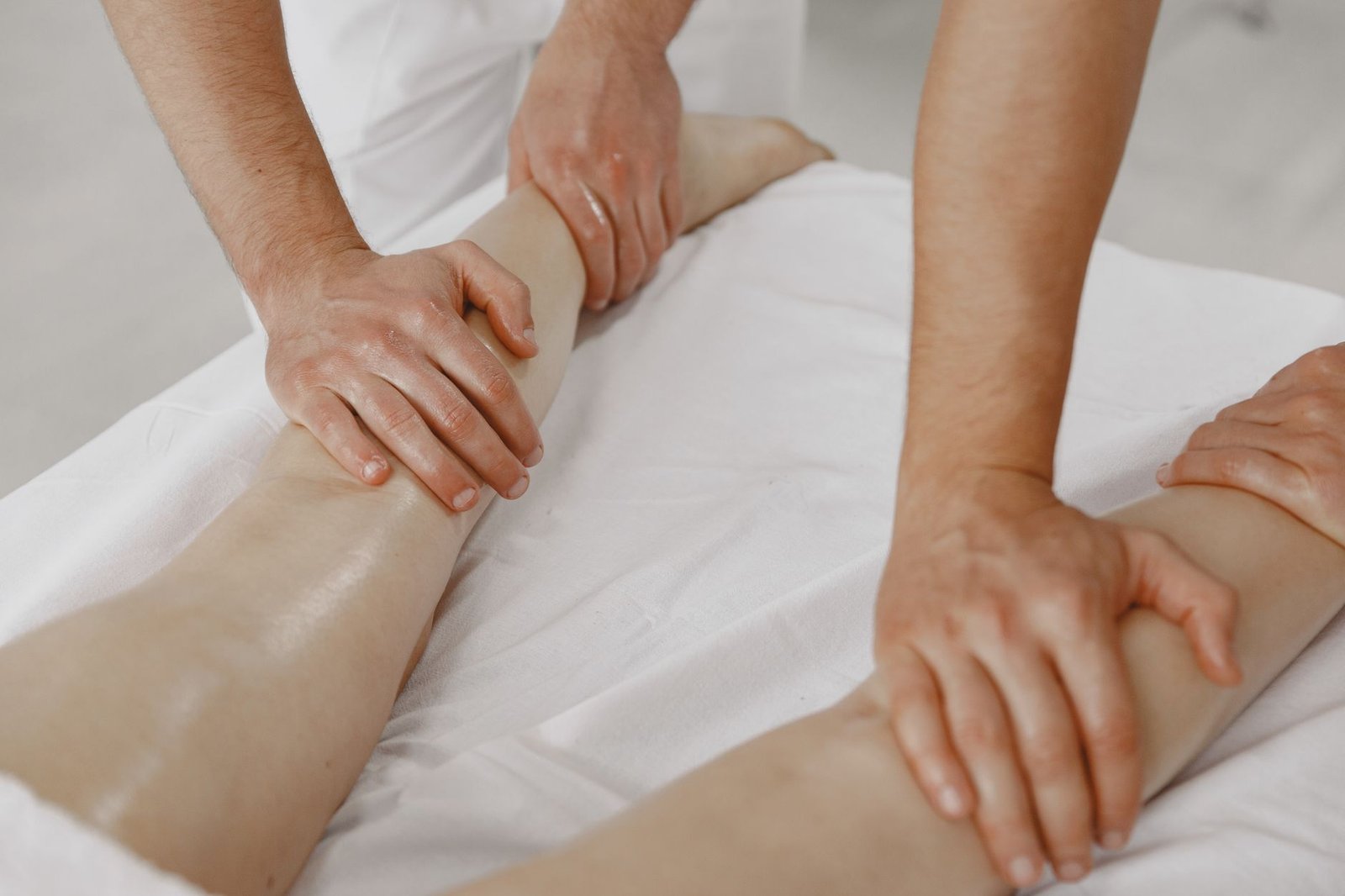
At night is the easy default, particularly since it can leave a slight sheen that some people dislike under makeup. On the body, straight after a shower on damp skin is when it works best.
 Save
Rosehip against the alternatives
Against squalane. Squalane is lighter, far more stable, and does not oxidise. Better for oily skin and better value if you only want an emollient.
Against jojoba. Jojoba is closer to your own sebum and extremely stable. Rosehip has more going on nutritionally but a much shorter life.
Against a retinoid. Not a fair comparison, and rosehip loses badly. If tone and texture are the goal and your skin tolerates it, a retinoid does more in eight weeks than rosehip does in eight months.
Watch this before you start
How to tell if your bottle has gone off
Rosehip oil oxidises faster than almost any oil in common cosmetic use, and an oxidised oil is mildly irritating rather than beneficial.
The tells are straightforward. The smell turns sharp and slightly like old crayons rather than earthy. The colour deepens toward brown. And it starts feeling tackier on the skin than it used to.
Any of those means throw it out. Buying a 30ml bottle you finish in three months is genuinely better value than a 100ml bottle that spends its last two months oxidising in a warm bathroom.
Common questions
Will it fade my acne scars?
It can help flat brown marks look more even over a few months. It does nothing for indented or raised scarring.
Can I use it on oily skin?
You can try, and many people cannot. Test on a small area for a fortnight before committing to nightly use.
How long does a bottle last?
Around three months once opened. It oxidises quickly, so a large bottle is false economy.
Morning or night?
Night suits most people. It is fine in the morning if you like the finish, but always under sunscreen, never instead of it.
Can I use it with retinol?
Yes, and it is a good pairing. Retinol first, then rosehip on top as the emollient layer.
Should it smell of roses?
No. It should smell faintly earthy. A floral smell means added fragrance.
The short version
A genuinely good, linoleic-rich emollient that gently helps tone over months, sold with a scar claim it only half deserves.
Buy cold-pressed, unrefined, in dark glass, in a small bottle. Use it at night, last in the routine, and on your body if your face does not get on with it. 🙂

Leave a Reply