

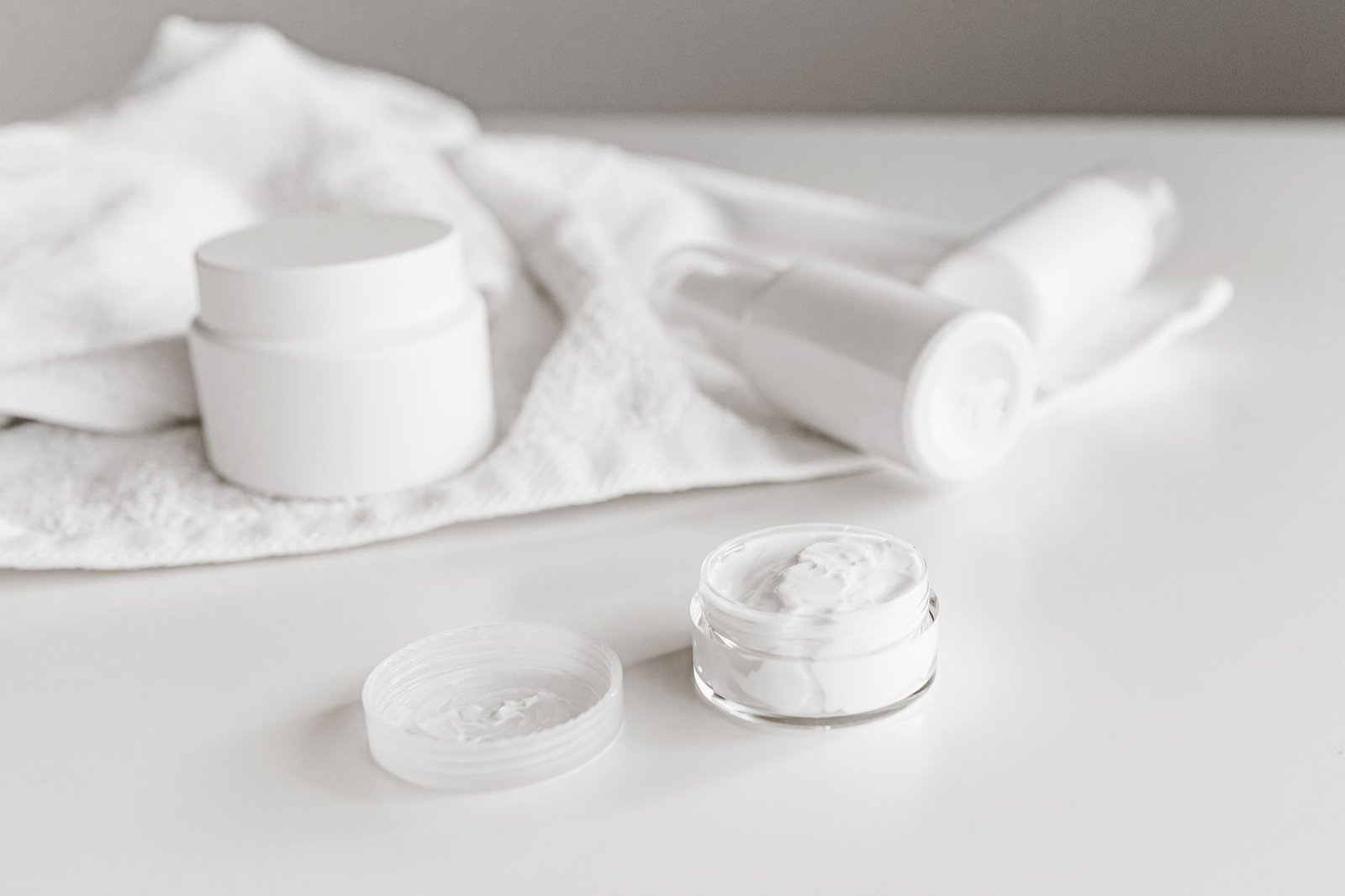
Dry and sensitive are two different problems that frequently arrive together, and most advice only addresses one of them. Rich creams for the dryness that turn out to be fragranced. Gentle products for the sensitivity that are far too light to help with the dryness.
What follows is four products, in order, and a list of things to stop doing first. The stopping matters more than the buying.
 Save
Stop these first
Genuinely, before you buy anything. Most dry sensitive skin is dry and sensitive partly because of what is being done to it.
- Foaming cleansers. The surfactants that make the foam strip oil, and you have none to spare.
- Hot water, on your face and in the shower.
- Every exfoliant. Acids and scrubs both, for at least a fortnight.
- Fragrance, including essential oils, which are the most common trigger for reactive skin.
- Cleansing twice a day. Once, at night, is enough.
- Toner, unless it is doing something specific. Most are unnecessary.
Two weeks of stopping is more effective than anything you can add. IMO this is the single most useful paragraph on this page. 🙂
The routine
 Save
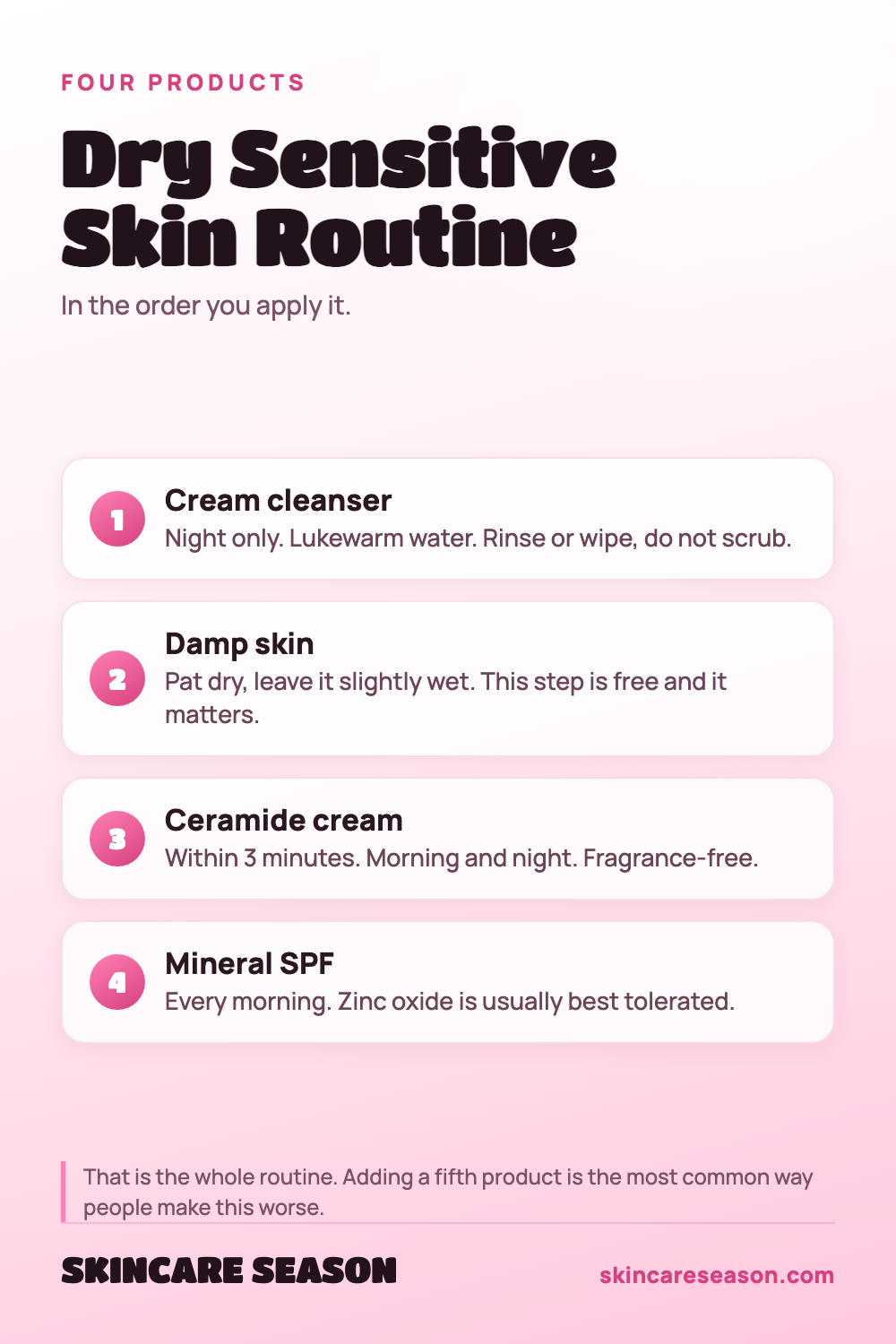
Four products, two of them the same product used twice a day. The step that costs nothing and gets skipped most is the third: applying to damp skin, within three minutes.
 Save
Cleanser: cream, and night only
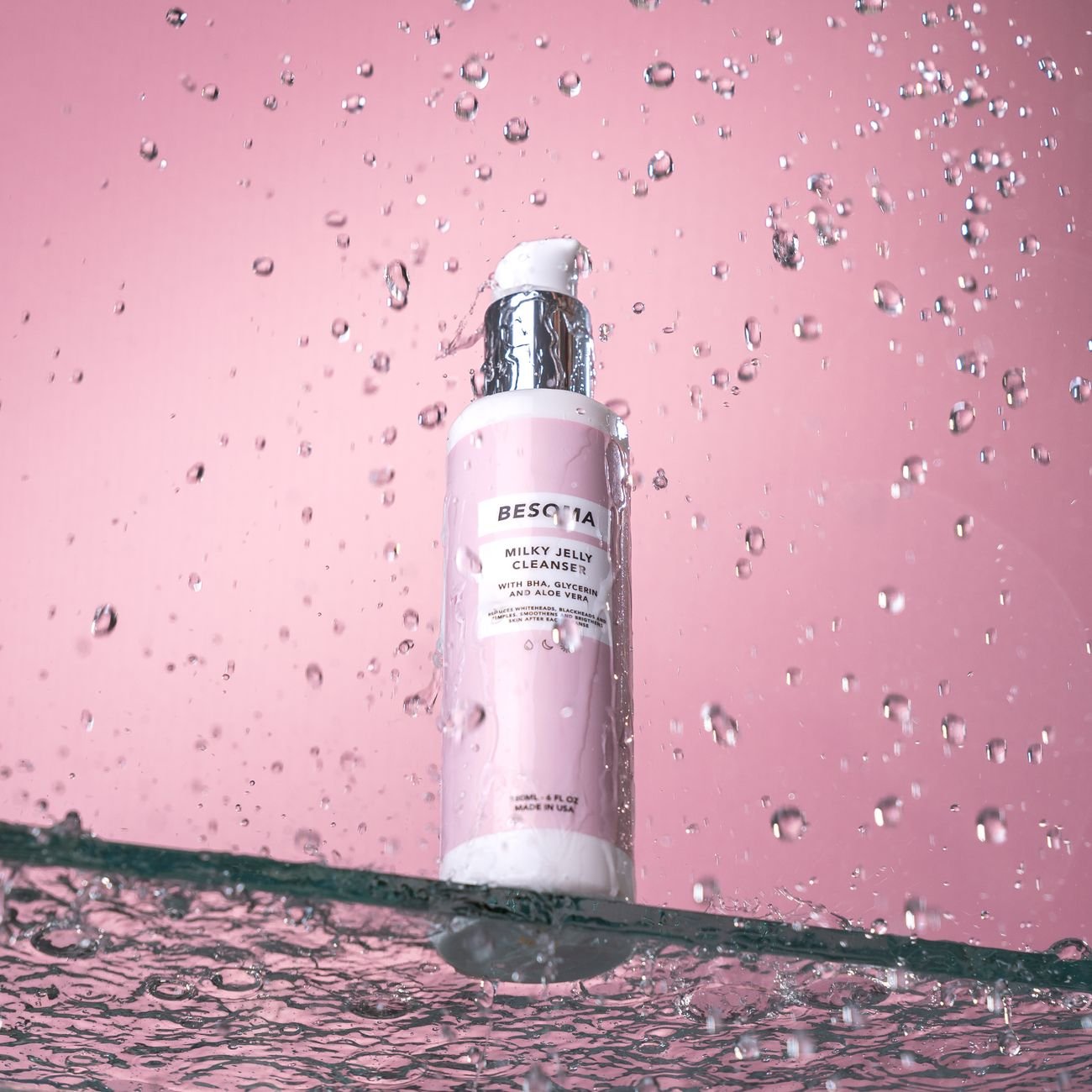
A cream or milk cleanser, or a cleansing balm. Nothing that foams, nothing described as purifying or clarifying, nothing with a tingle.
At night only. In the morning, lukewarm water on your hands and a splash is genuinely enough. Overnight your skin produced its own oil and there is nothing there worth removing.
Lukewarm, never hot. Hot water feels wonderful on a cold morning and strips lipids faster than any cleanser.
The damp skin step
After cleansing, pat with a towel rather than rubbing, and stop while your skin is still visibly damp.
Then moisturise within about three minutes. That window is when your skin still holds the water from washing, and a moisturiser applied then traps it. Applied to fully dry skin, it seals in dryness instead.
This step is free and it makes more difference than most product upgrades. It is also the one nobody bothers to mention.
Watch this before you start
Moisturiser: ceramides, no fragrance
A ceramide cream, morning and night, and this is the product worth spending on.
Look for ceramides named on the label, ideally alongside cholesterol and fatty acids, since the barrier is a mixture and topping up one of three components is less effective than all three.
Glycerin near the top of the list is a good sign. Fragrance anywhere on the list is a reason to put it back.
Texture-wise, err thick. A cream in a tube or pump rather than a thin lotion, and something you would describe as rich rather than light.
 Save
Sunscreen: mineral, usually
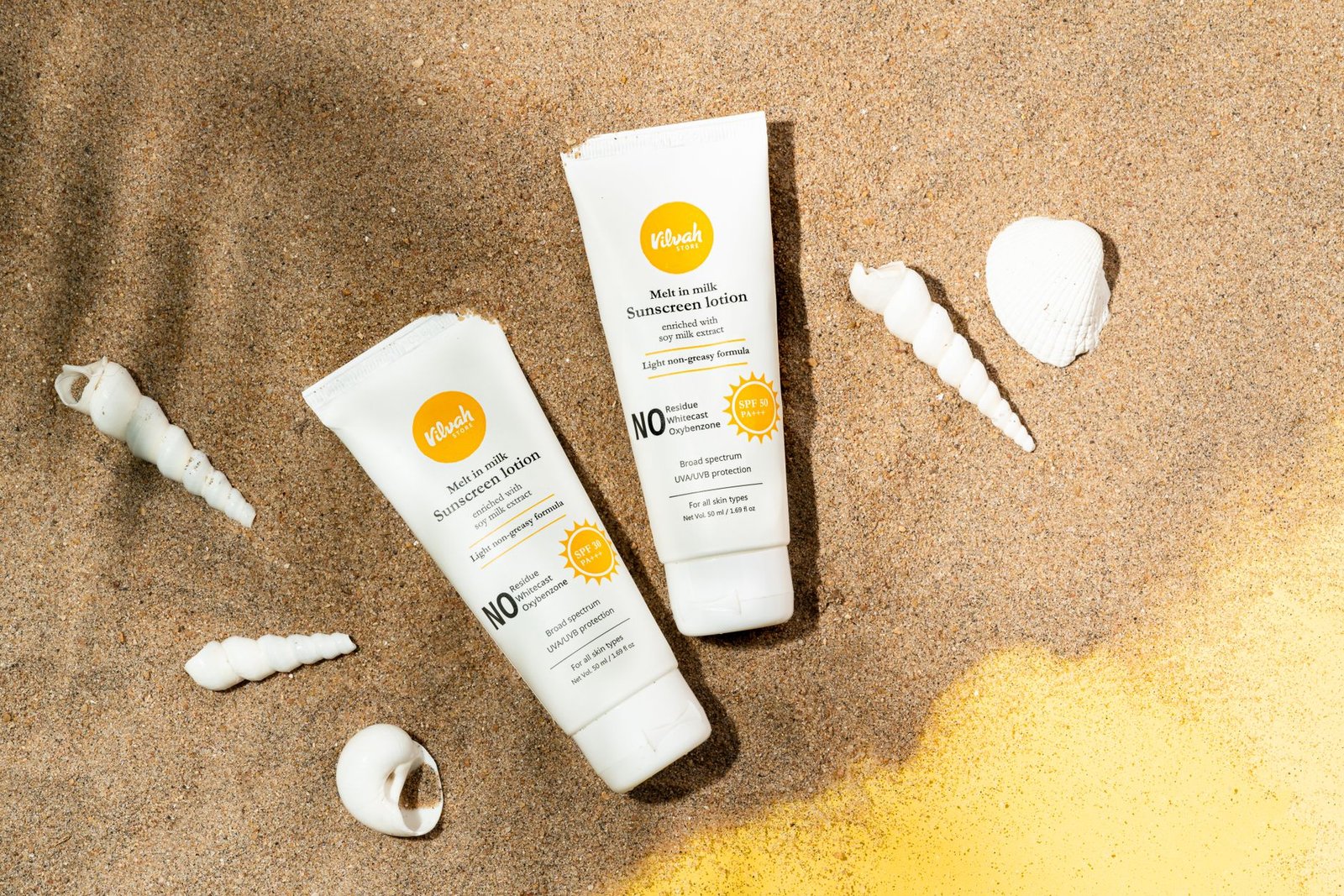
Mineral sunscreens use zinc oxide or titanium dioxide, sitting on the surface rather than absorbing UV chemically. For reactive skin they are generally better tolerated.
Zinc oxide is also mildly anti-inflammatory in its own right, which is a small bonus.
The trade is cosmetic. Mineral formulas leave more of a cast and feel heavier. Modern ones are far better than they were, and it is still the compromise you are making.
Every morning, rain included. If your skin is compromised, UV makes it worse, and this is the step that prevents rather than repairs.
What to add, and when
Nothing, for at least a month. Get to the point where your skin is comfortable, not stinging, not tight, before you consider anything else.
After that, in order of how well they suit this skin type:
Centella or panthenol, both calming, both extremely well tolerated.
Niacinamide at 5%, which helps the barrier make its own ceramides. Introduce slowly.
A squalane or rosehip oil at night, over the moisturiser, if dryness persists.
A gentle retinoid, much later, at 0.2%, once every ten days. Only if you want it.
 Save
The environment half
Products are half of this. The other half is what your skin is sitting in.
Indoor heating is the biggest factor in winter, and a humidifier in the bedroom does more for genuinely dry skin than another cream will. Shorter, cooler showers matter. So does not sitting directly in front of a fan or a heater.
None of that is as satisfying as buying something, and it is often what actually changes things.
Choosing between a cream and an ointment at night
For genuinely dry sensitive skin, the night-time layer is worth thinking about separately from the daytime one.
A cream is the sensible default. It contains water, which your skin can use, plus emollients and something occlusive to hold it there.
An ointment is almost entirely occlusive with little or no water. Applied over a damp face or over your cream, it stops water leaving far more effectively than any cream can. It also feels heavy and greasy, which is why it is a night product.
If your skin is very dry, cream on damp skin followed by a thin layer of ointment over the top is the most effective thing in this article. It looks unglamorous and it works.
Common questions
Should I cleanse in the morning?
Water only is fine, and usually better. Save the cleanser for the evening.
Can I use an exfoliant at all?
Eventually, and lactic acid or a PHA once a week at most. Not while your skin is still reactive.
Why does my moisturiser sting?
Usually fragrance, or a damaged barrier making everything sting. Check the label, then take two weeks of the basic routine.
Is a thicker cream always better?
For dry skin, generally yes at night. In the morning something slightly lighter under sunscreen is easier to wear.
Do I need a serum?
No. Cleanser, moisturiser and sunscreen is a complete routine. Serums are optional extras.
How long until my skin settles?
Two weeks for the stinging to stop, four to six for it to feel genuinely comfortable.
The short version
Stop foaming cleansers, hot water, exfoliants and fragrance. Cream cleanser at night, ceramide moisturiser on damp skin twice a day, mineral sunscreen every morning.
Four products, and the free step of applying to damp skin within three minutes. Add nothing for a month. 🙂



Leave a Reply