


You almost certainly own everything you need for a decent body scrub right now, and you probably own the ingredients for at least three of the five below.
The useful thing is that they are not interchangeable. Each one suits a different problem, and picking by what your skin is actually doing beats picking by which smells nicest.
 Save
The five, at a glance
 Save
All five use the same two-to-one ratio of grain to oil, and all five are made the same way: fold, do not beat, and judge the texture by eye rather than by the measurements.
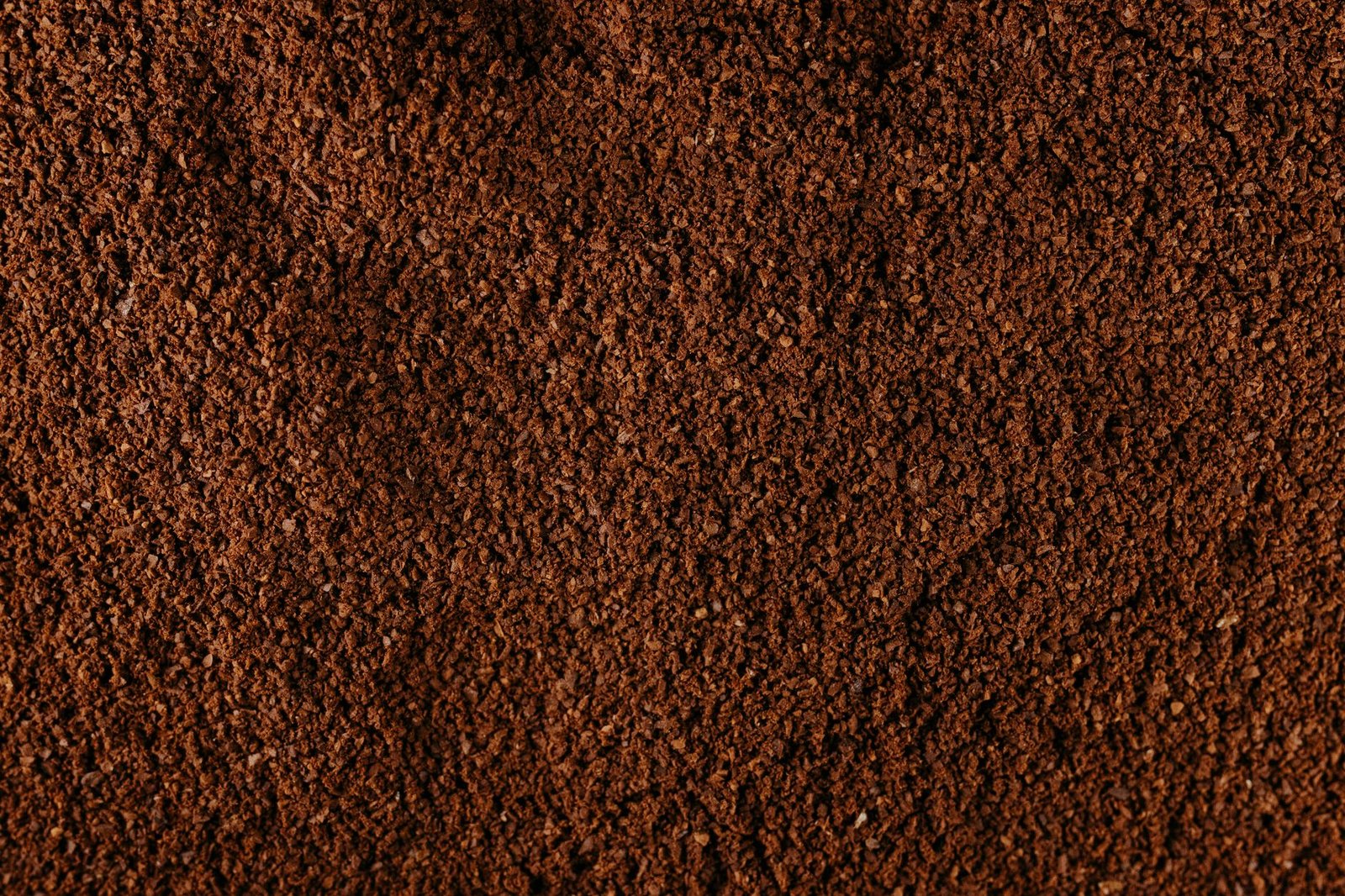
1. Coffee and coconut oil
The coarsest of the five and the one people get most enthusiastic about.
Use grounds you have already brewed with rather than fresh. Used grounds are softer, they have given up most of their oil, and you are otherwise throwing them away. Let them dry out first or your scrub will be soggy.
Two parts grounds to one part melted coconut oil. It is excellent on thighs, the backs of arms, and anywhere with stubborn rough texture.
On the cellulite claim: caffeine applied topically does temporarily tighten the skin surface slightly, and the effect lasts a couple of hours. It is a real but very short-lived thing, and no scrub changes what is happening underneath. IMO enjoy it for the exfoliation and the smell.
Fair warning, it stains grout. Rinse the shower afterwards.
2. Brown sugar and vanilla
The gentlest of the five, for shoulders, chest, arms, and anyone whose skin objects to everything else.
The molasses in brown sugar coats each grain and softens the edges, so it crumbles rather than scratches. Two parts sugar, one part almond oil, a teaspoon of vanilla extract.
This is the one to make if you are making it for somebody else.
 Save
3. Sea salt and peppermint
The foot scrub. Salt does not dissolve the way sugar does, so it stays abrasive throughout, which is exactly what heels need and exactly what your legs do not.
Two parts fine sea salt, one part oil, ten drops of peppermint essential oil. Follow it with a warm soak if you have ten minutes.
Never on freshly shaved skin. Salt in the tiny openings shaving leaves behind is genuinely painful, and it is the most common regret in this whole category.
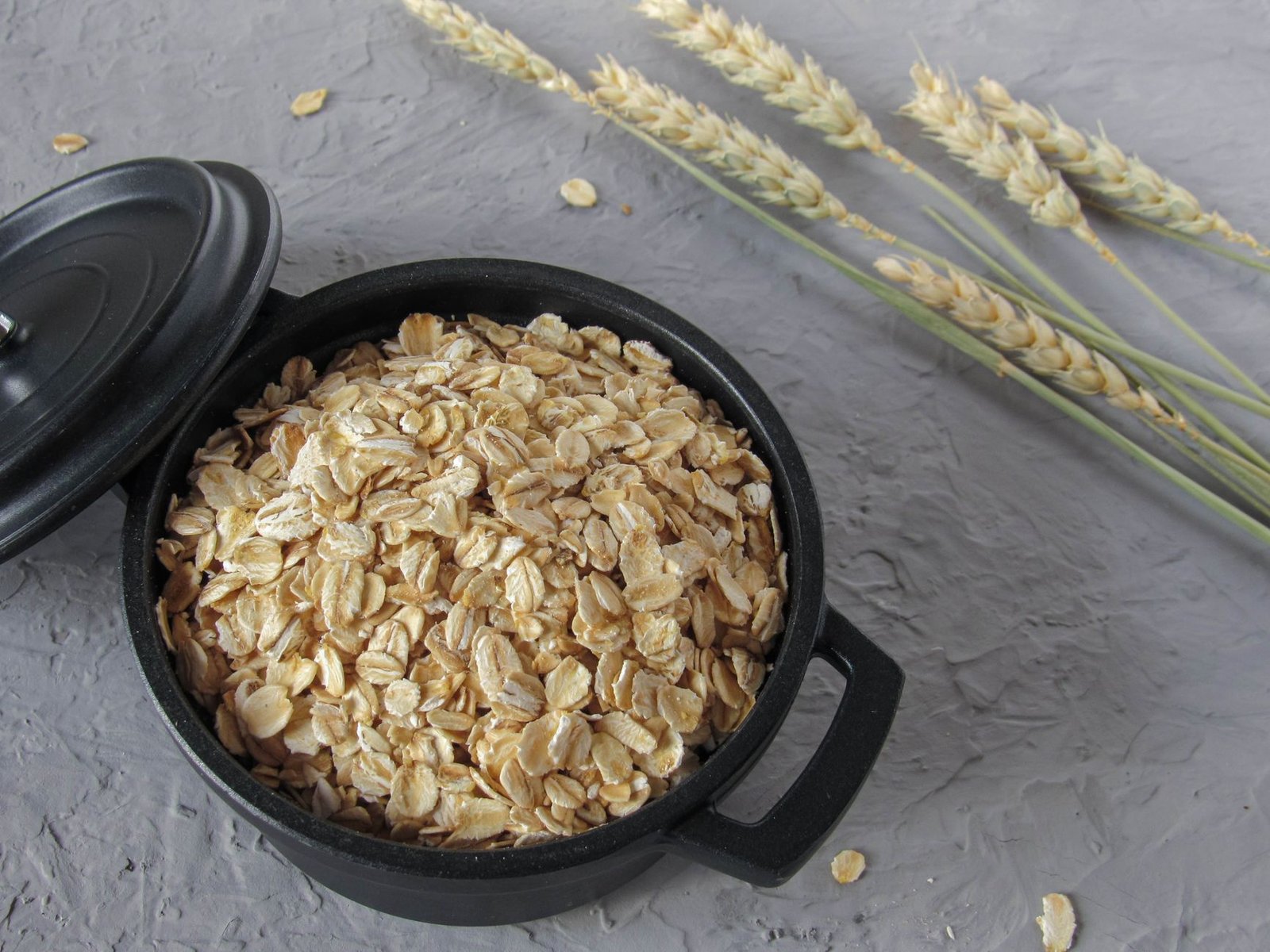
4. Ground oats and honey
Barely a scrub, and that is the point. This is for skin that reacts to everything, and it is the only one of the five that is anywhere near suitable for a face.
Grind rolled oats to a fine powder in a blender. Mix a tablespoon with a teaspoon of honey and enough water to make a paste, immediately before use.
Oats contain compounds that genuinely calm irritated skin, which is why colloidal oatmeal turns up in products for itchy skin. This is the homemade version of that.
Because it contains water, make it fresh each time and do not store it. That rule is not optional.
 Save
5. White sugar and olive oil
The one you make when you have run out of everything else, and it works perfectly well.
Two parts granulated sugar, one part olive oil. Nothing else. It smells faintly of olive oil and it does the job on arms and legs.
There is a small honesty point worth making here: this is essentially what most twenty pound scrubs are, with fragrance and a nicer jar. The expensive ones are not doing something different, they are doing the same thing more pleasantly.
The rules all five share
- Two parts grain to one part oil, adjusted by eye to wet sand.
- Fold gently. Beating breaks the grains and the grains are the product.
- No water, except the oat one, which is made fresh each time.
- Airtight jar, out of the shower.
- Damp skin, after washing, thirty seconds, light pressure.
- Moisturise within three minutes.
That last one produces more of the visible result than the scrub itself does, and it is the step people skip.
Watch this before you start
What not to put in a scrub
Anything with water in it. Fresh lemon juice, milk, aloe straight from the plant, cucumber. Water lets bacteria grow in a jar that would otherwise be effectively self-preserving.
Crushed nut shells or fruit stones. Sharp, jagged, and the reason a famous face scrub attracted a lawsuit.
Baking soda. Far too alkaline for skin and it strips the barrier.
Table salt. Sharp grains plus anti-caking agents.
Essential oils in quantity. A few drops is scent. A generous pour is an irritant, and citrus oils in particular can increase sun sensitivity.
 Save
How long they keep
Oil and grain with no water: two to three months at room temperature, limited by the oil going rancid rather than by anything growing.
Use a dry spoon, keep the lid on, keep it out of the bathroom, and throw it out if it smells sharp or like old crayons.
The oat and honey one keeps for the length of time it takes you to walk to the bathroom, which is the trade for it being the gentlest.
Common questions
Which one is best for dry skin?
Brown sugar and vanilla, with a little extra oil. Or the winter version, closer to a 1.5 to 1 ratio.
Can I use fresh coffee grounds?
You can, but used ones are softer and gentler. Dry them out first either way.
Do any of these work on the face?
Only the ground oat one, and even then a chemical exfoliant is a better idea. The other four cause micro-tears in facial skin.
How often should I use them?
Once or twice a week on arms and legs, two or three times on feet and elbows.
Can I mix two of them?
Yes, and coffee plus brown sugar is a good combination. Just keep the overall ratio at two parts grain to one part oil.
Does the coffee one really help cellulite?
It tightens the surface for an hour or two. It does not change anything structural, and nothing applied topically does.
The short version
Coffee for rough patches, brown sugar for sensitive skin, salt for feet, oats for skin that reacts, white sugar for when you have nothing else.
Two to one, fold gently, no water, out of the shower, moisturise straight after. 🙂


Leave a Reply