

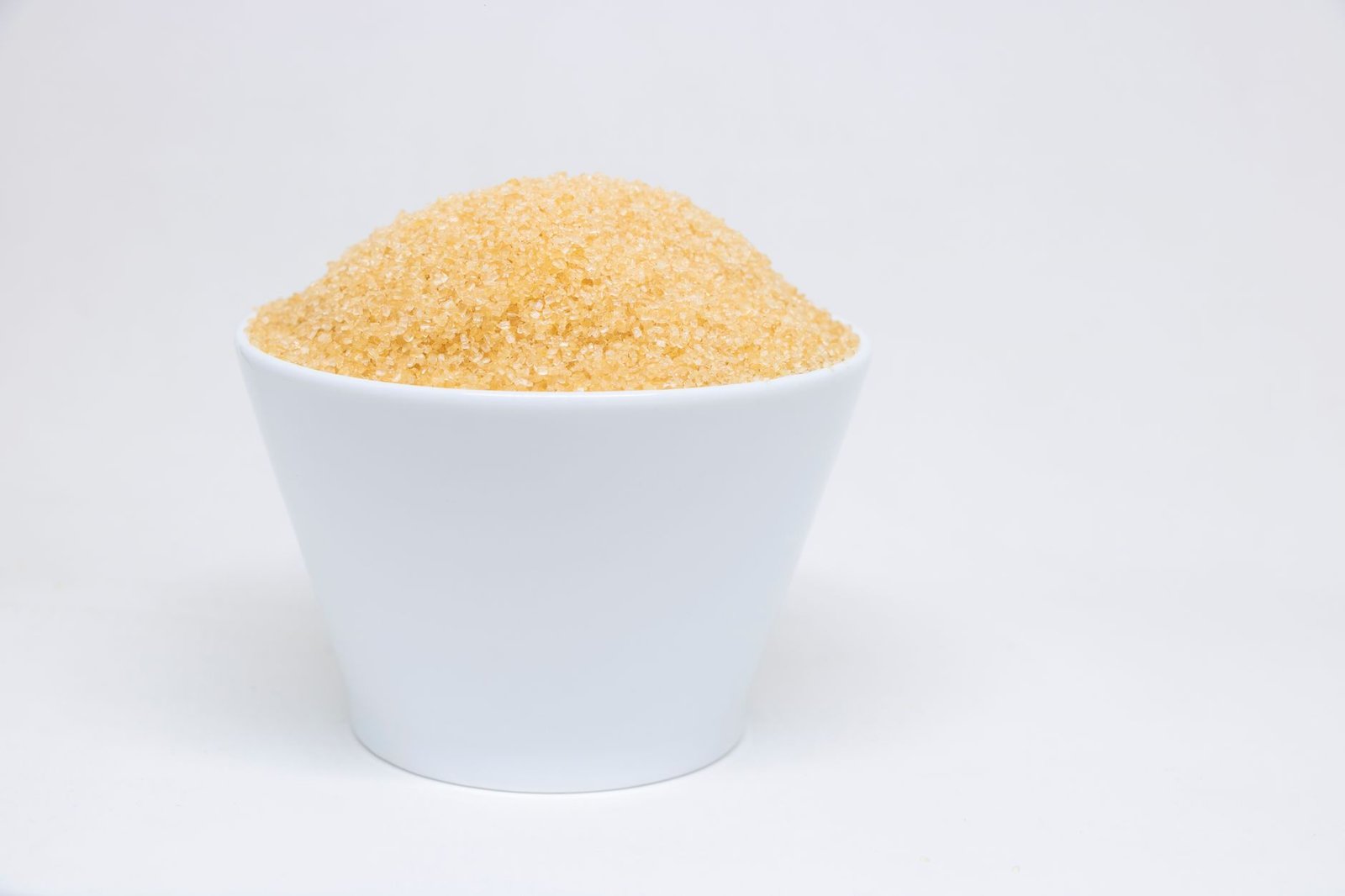
If every scrub you have tried has left your skin pink and stinging, the problem is probably not that you have unusually delicate skin. It is probably that you have been using white sugar or salt on parts of your body that were never going to tolerate them.
Brown sugar is the answer to that, and it is genuinely different rather than just a nicer colour.
 Save
Why brown sugar is gentler
Two reasons, and both are physical rather than marketing.
The first is grain shape. Brown sugar is white sugar with molasses added back in, and that molasses coats each crystal. The result is a softer, rounder grain with less of a cutting edge.
The second is moisture. Brown sugar holds a small amount of water, which is why it clumps in the bag. That moisture makes the grains slightly yielding rather than hard, so they break down under pressure instead of dragging across your skin.
Put simply: white sugar scratches, brown sugar crumbles. For anywhere thin-skinned, that difference decides whether a scrub is pleasant or painful.
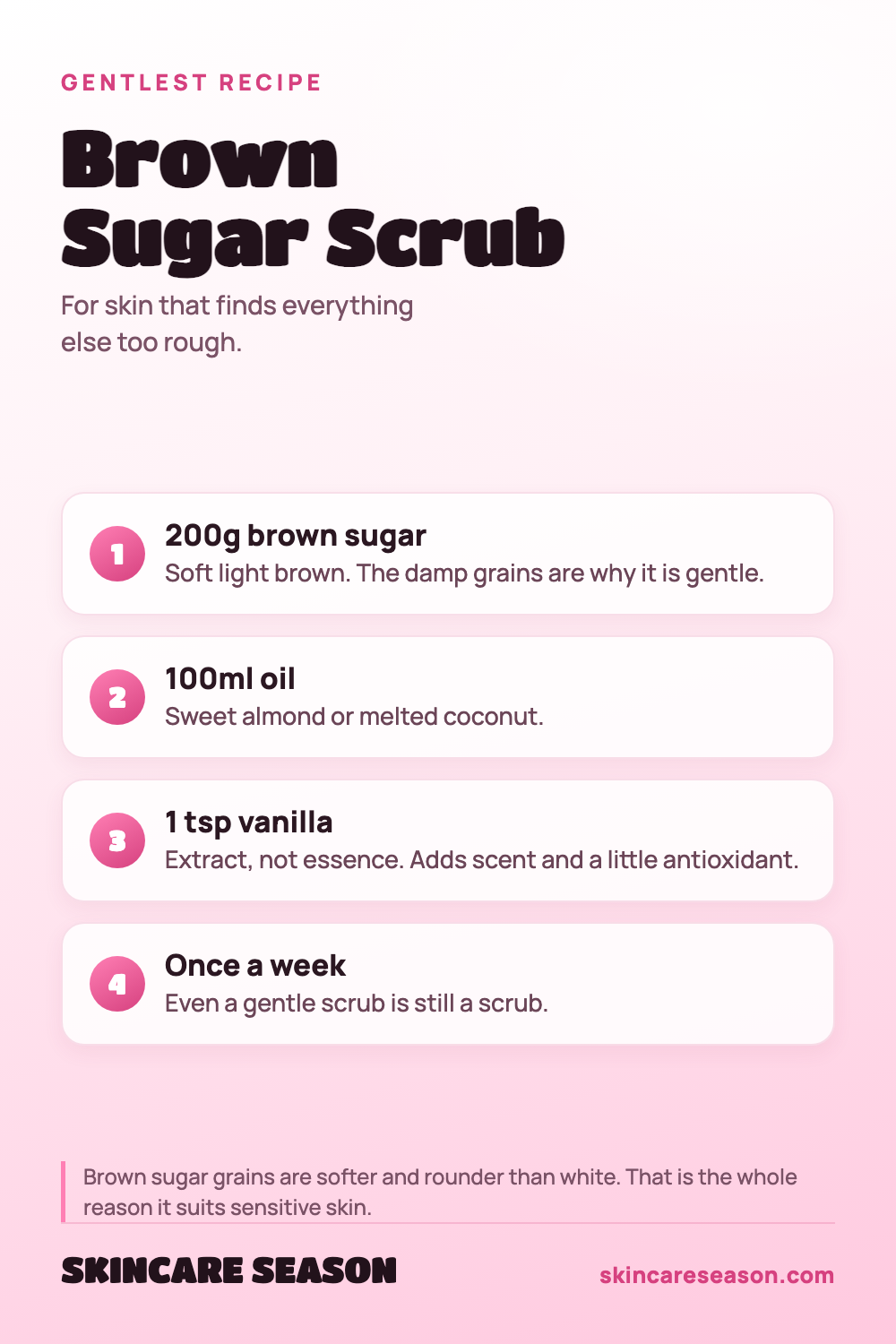
The recipe
 Save
Light brown soft sugar is what you want. Dark brown works and has even more molasses, though it stains a light-coloured towel if you are careless, and demerara is the wrong thing entirely since those grains are large and hard.
 Save
Why vanilla, beyond the smell
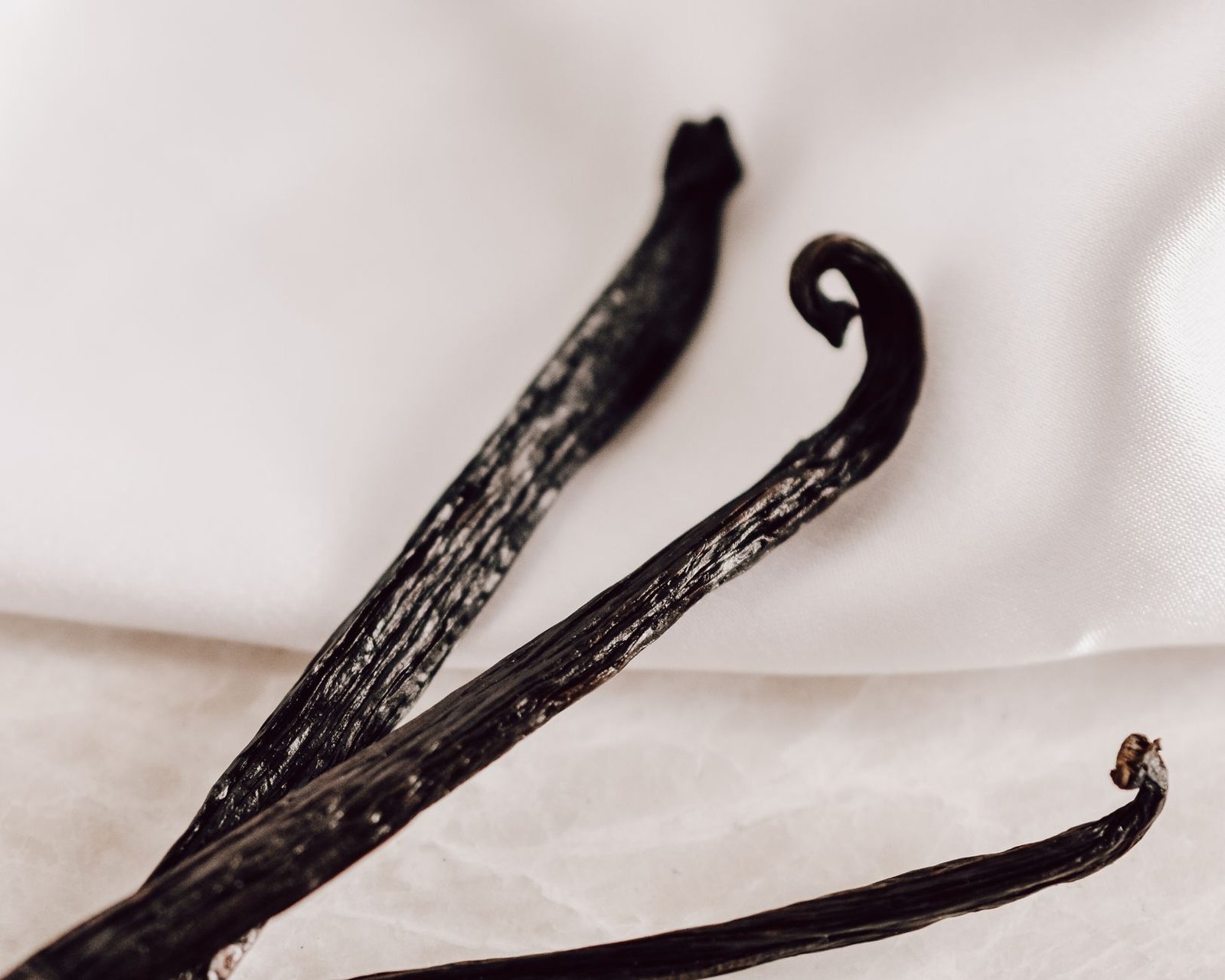
The smell is most of it, admittedly. Brown sugar and vanilla is one of the great combinations and this scrub smells like the inside of a bakery.
But there is a small practical reason too. Vanilla extract contains vanillin, which has mild antioxidant properties, and a teaspoon adds a little of that alongside the scent.
Use extract rather than essence. Essence is synthetic flavouring designed for baking and smells thinner. Extract is the real thing and the difference is obvious in a scrub.
FYI vanilla extract contains alcohol, which is fine at a teaspoon per jar and not fine if you start pouring it in generously.
Making it
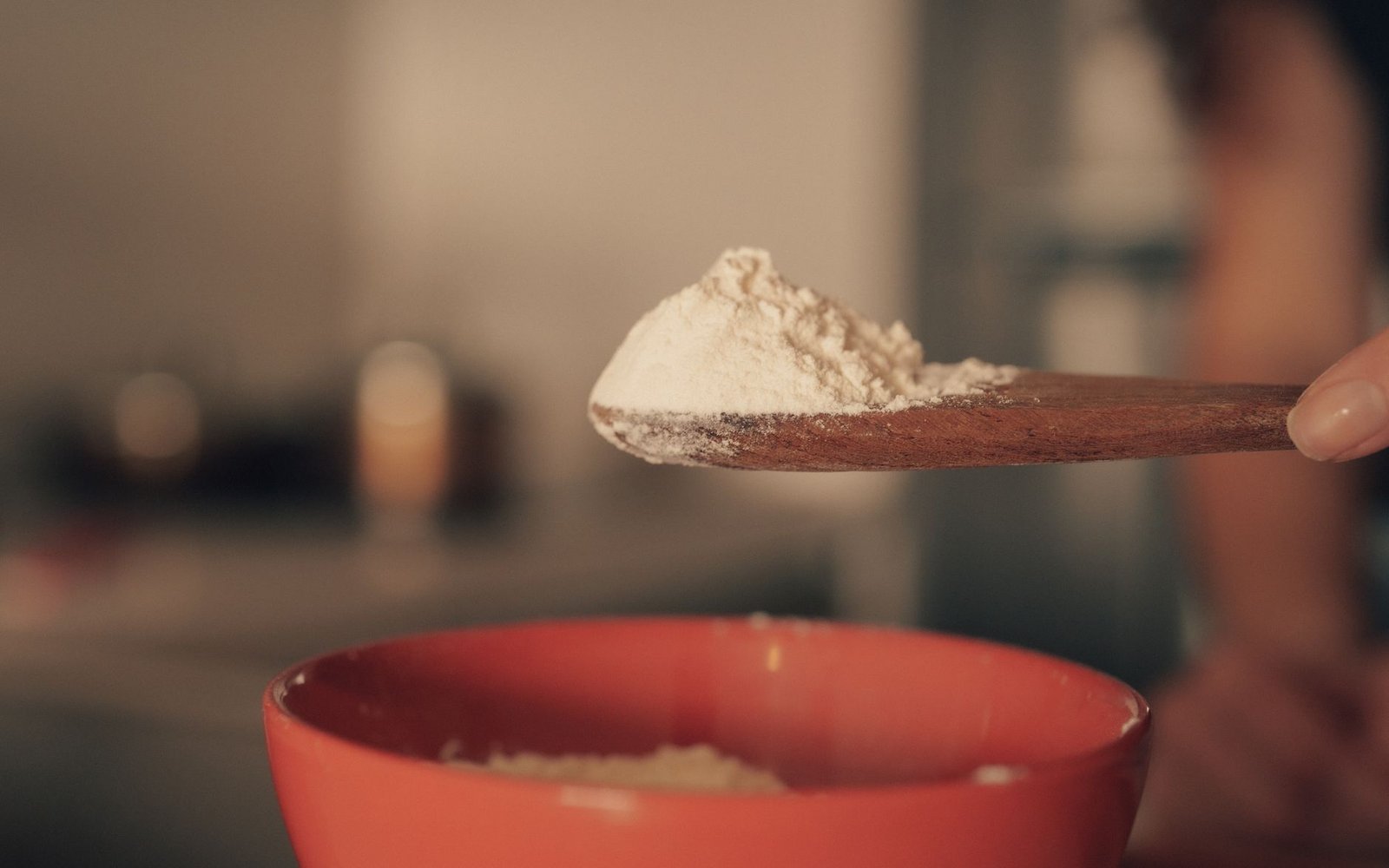
Brown sugar clumps, so break it up with a fork before you start. Lumps in the bag become lumps in the jar.
Two parts sugar into a bowl. Three quarters of the oil, folded through gently. Check the texture, add the rest of the oil a little at a time until it looks like wet sand.
Then the vanilla, folded through at the end.
Brown sugar absorbs oil slightly faster than white does, so you may need marginally more oil to reach the same texture. Judge by eye rather than by the numbers, which is the rule with every scrub on this site.
Watch this before you start
Where to use it
This is the scrub for the places other scrubs are too rough for.
- Shoulders and upper back, where skin is thinner than on your legs.
- Chest and neck, gently, and only if you exfoliate there at all.
- Arms, particularly the softer inner side.
- Hands, where it is gentle enough not to leave them raw.
- Anywhere on skin that reacts to everything else.
It is not the right choice for heels, which need salt, and it is still not for your face.
 Save
The glow, honestly explained
The glow people describe after a good scrub is real and it has a straightforward explanation, which is worth knowing so you can maximise it.
Dull skin is dull because a layer of dead cells scatters light unevenly. Remove that layer and the fresher surface underneath reflects light more evenly, so skin looks brighter. That is the whole mechanism.
The second half is the oil. A scrub leaves a thin film of oil behind, and oiled skin reflects light better still. Which is why the glow fades if you rinse too thoroughly with hot water, and why moisturising within three minutes matters so much.
So: warm water rather than hot, pat dry, moisturise on damp skin. That sequence is where the result actually comes from.
Making it as a gift
Brown sugar and vanilla is the one to make for other people, because it suits almost any skin and it smells like something you would want.
Small jars rather than large. Write the date on the label and a two month use-by. And add a line telling them to keep it out of the shower, because otherwise it will live in the shower and be ruined in a fortnight.
 Save
Storage
Airtight jar, room temperature, out of the bathroom. Two to three months, limited by the oil rather than the sugar.
Brown sugar scrubs dry out slightly faster than white sugar ones because the molasses moisture evaporates over time. If it firms up, a splash of oil folded through brings it back.
Why the oil matters as much as the sugar
People choose their sugar carefully and then pour in whatever oil is nearest, which is backwards for a gentle scrub.
The oil is what keeps the grains suspended and lubricated. Too little and the grains drag across skin instead of gliding, which reintroduces exactly the harshness you chose brown sugar to avoid.
For a sensitive-skin scrub, err generous. Closer to one and a half parts sugar to one part oil rather than the standard two to one. It feels slightly wetter in the jar and considerably kinder on your shoulders.
Sweet almond oil is the best default here. It is light, absorbs properly, and has almost no smell to compete with the vanilla.
Common questions
Is brown sugar really gentler than white?
Yes. The molasses coating softens the grain edges and adds moisture, so it crumbles rather than scratches.
Can I use it on my face?
Still no. Gentler than white sugar is not the same as gentle enough for facial skin.
Dark or light brown sugar?
Light is easier to work with. Dark has more molasses, is slightly softer, and can stain pale fabric.
Can I use demerara?
Not for this. Demerara grains are large and hard, which is the opposite of what makes brown sugar suitable here.
Why does mine feel dry?
The molasses moisture has evaporated. Fold in a splash more oil.
How often can I use it?
Once a week. It is gentler, not weightless, and weekly is enough for anywhere thin-skinned.
The short version
200g light brown sugar, 100ml oil, a teaspoon of vanilla extract. Break up the lumps, fold rather than beat, judge by texture.
It is the scrub for shoulders, chest, arms and anyone whose skin finds everything else too much. And it smells considerably better than it has any right to. 🙂

Leave a Reply