

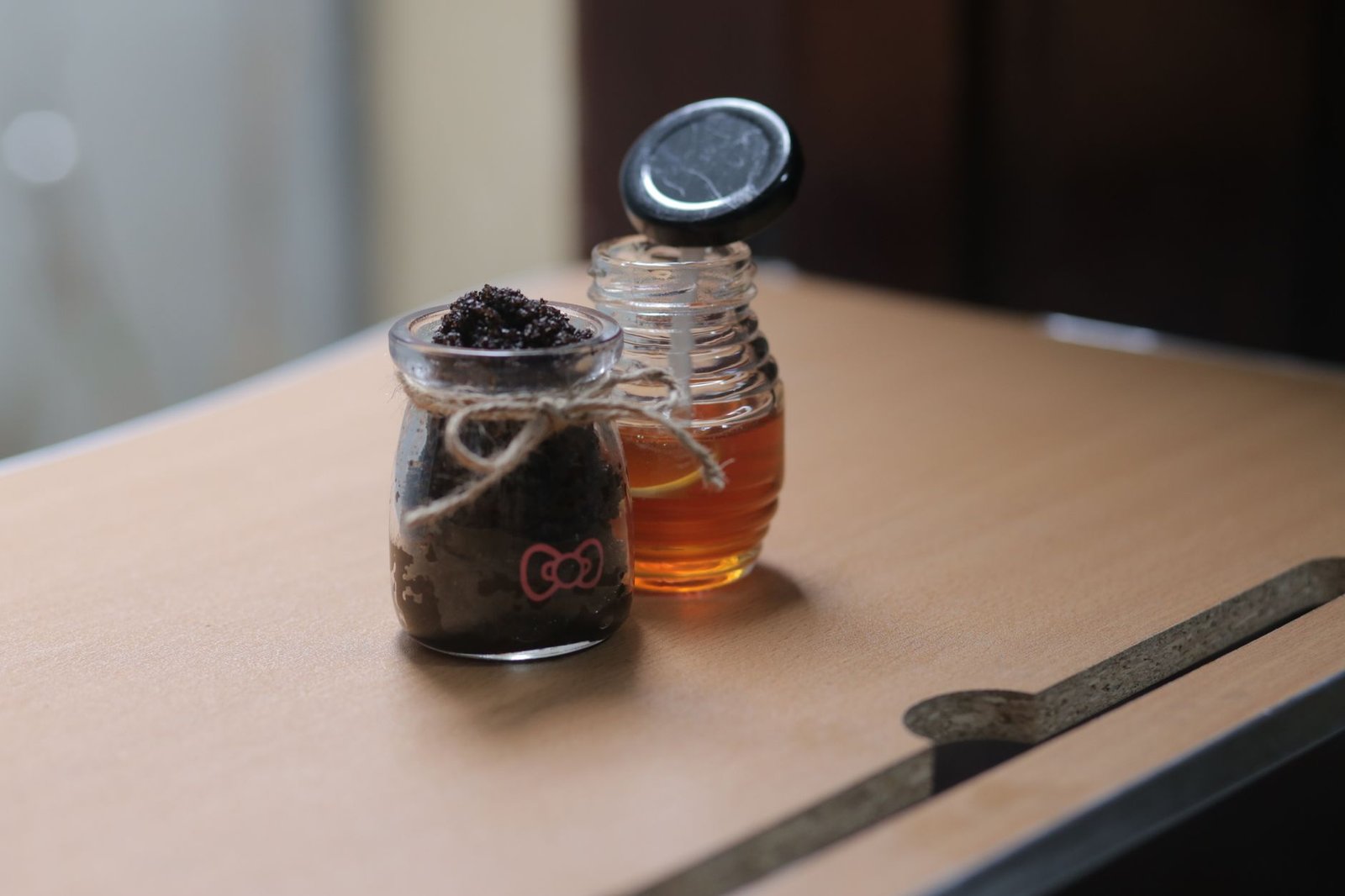
Most people scrub too hard, too often, with something too coarse, and then conclude their skin is sensitive.
Exfoliating your body should leave it smooth and comfortable. If it leaves it pink, tight, or stinging in the shower afterwards, that is not a strong scrub doing its job. That is a scrub doing damage.
Here is how to get the smooth without the scratched.
 Save
What body exfoliation is for
Your skin sheds dead cells constantly, and mostly it manages this on its own. On the body, though, a few places do it badly: the backs of your arms, your shins, elbows, knees and heels.
Cells build up in those places and the surface stops reflecting light evenly, which reads as dull and feels rough. Exfoliating clears the build-up.
That is the entire job. It does not detoxify anything, it does not shrink anything, and it will not fix bumps that come from congestion rather than build-up.
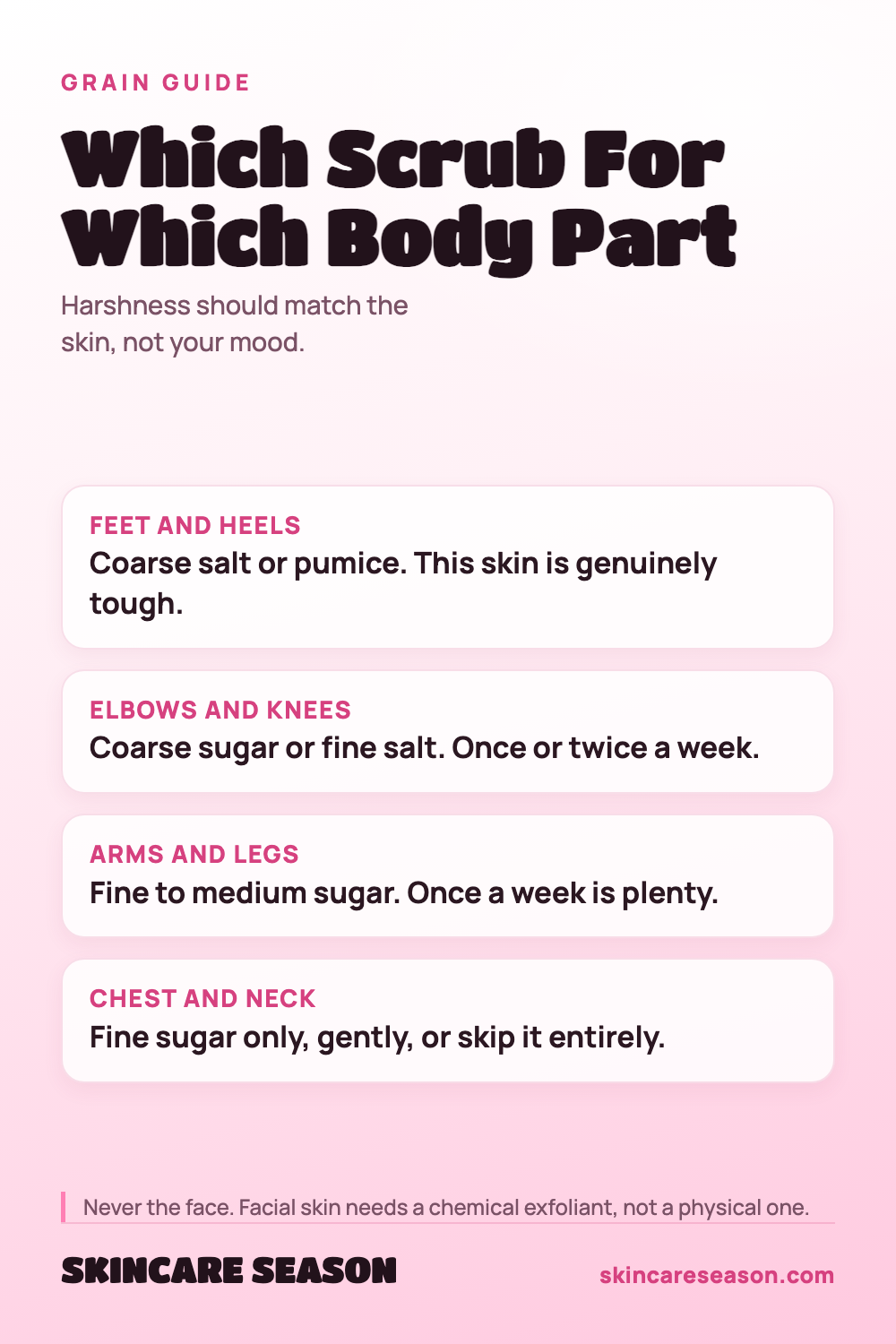
Match the grain to the body part
 Save
This is the part everyone gets wrong, usually by using one product everywhere. The skin on your heel is many times thicker than the skin on your chest, and treating them the same is how one ends up rough and the other ends up raw.
Watch this before you start
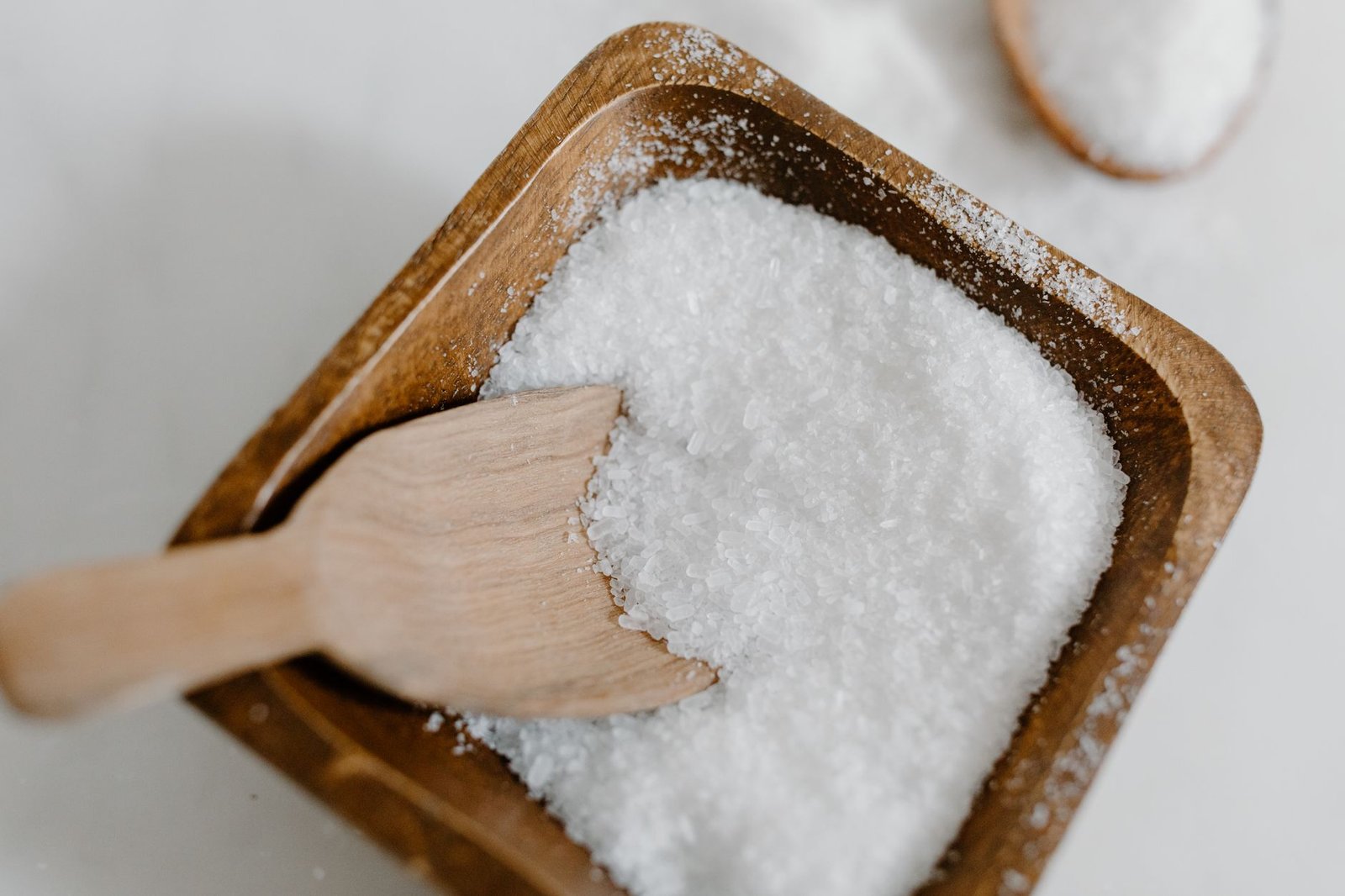
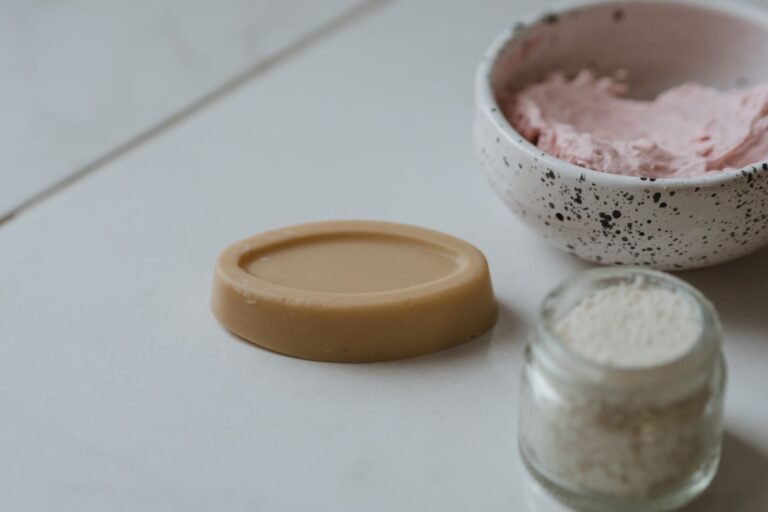
Sugar or salt
The practical difference is not harshness so much as behaviour in water.
Sugar dissolves. As you use it in a warm shower the grains shrink, so a sugar scrub becomes gentler over the course of using it. That built-in fade is genuinely useful.
Salt does not dissolve nearly as fast, so it stays abrasive from the first second to the last. That makes it better for heels and worse for anywhere thin-skinned.
Salt also stings badly on shaved skin, nicks or anything broken. Sugar does not. If you shave your legs, sugar is the safer default by a wide margin.
 Save
How to tell you are overdoing it
Over-exfoliated body skin has a specific look, and it is not the flaky dryness people expect.
It looks slightly shiny and feels unusually smooth, which seems like success. Then it stings under hot water, feels tight after towelling, stays pink for an hour after a shower, and reacts to a moisturiser you have used for years.
If two of those describe you, stop scrubbing entirely for two weeks. Wash, moisturise, that is all. IMO this is by far the most common body-skincare mistake, and the cure is doing less rather than buying something gentler.
The technique that matters
- Wash first, then scrub. Scrubbing before washing means you rinse the oil straight off.
- Damp skin, not dry, and step out of the direct stream so it does not wash away as you work.
- Small circles, light pressure. The grain does the work, your hand does not.
- Thirty seconds per area. Longer achieves nothing.
- Warm water to rinse, not hot.
- Pat dry, then moisturise within three minutes.
That last one is where most of the visible result comes from. Exfoliating removes the dull layer, moisturising immediately afterwards is what makes the fresh layer look good.
 Save
How often
Once or twice a week for arms and legs. Two or three times for feet, elbows and knees. Chest and neck, once a week at most, and plenty of people are better off skipping those entirely.
Less in winter, when skin is drier and the barrier is already under pressure from heating and hot showers.
And not at all on skin that is sunburnt, freshly shaved, broken, or currently irritated. There is no version of scrubbing damaged skin that helps.
Tools, and whether you need them
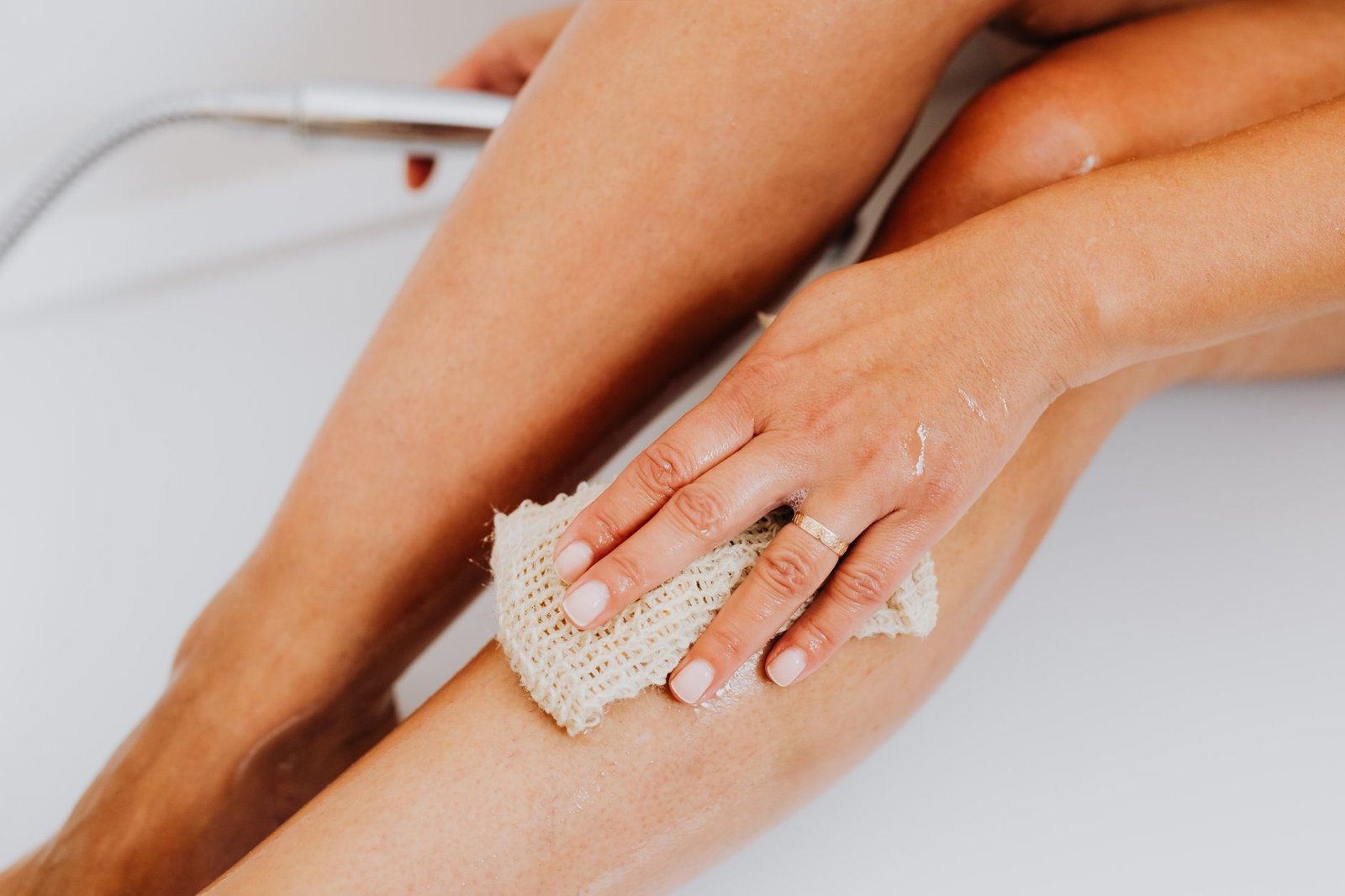
A exfoliating mitt or a soft body brush plus a gentle scrub gets you further than an aggressive scrub alone, because you can control the pressure far more precisely with a mitt than with a handful of grit.
What to avoid: stiff bristle brushes used dry on thin skin, and anything described as heavy duty for anywhere other than your feet. Pumice belongs on heels and nowhere else.
Wash and dry your mitt properly between uses. A permanently damp mitt in a warm bathroom is not something you want to rub on yourself.
 Save
When a scrub is the wrong answer
If the problem is small rough bumps on the backs of your arms or thighs that never quite go away, scrubbing harder tends to make them redder without making them fewer.
That pattern usually responds better to a chemical exfoliant, a lotion containing lactic acid, urea or salicylic acid, used a few times a week. It works on the same build-up without the physical abrasion.
If it is painful, spreading, or not shifting at all after a couple of months of sensible care, that is worth showing to a professional rather than attacking with a loofah.
Common questions
How often should I exfoliate my body?
Once or twice a week for most of you, two or three times for feet and elbows.
Can I use a body scrub on my face?
No. Facial skin is far thinner and needs a chemical exfoliant instead.
Should I exfoliate before or after shaving?
Before, and ideally not on the same day. Shaving is itself a form of exfoliation.
Is a scrub or a chemical exfoliant better for bumpy arms?
A chemical one, usually. Lactic acid or urea lotions handle that pattern better than scrubbing does.
Why is my skin red after scrubbing?
Too much pressure, too coarse a grain, or too often. All three are common and all three are easy to fix.
Do I still need to moisturise afterwards?
Yes, and within three minutes. It is the step that produces the actual result.
The short version
Match the grain to the body part, use light pressure for thirty seconds, once or twice a week, and moisturise while your skin is still damp.
If your skin looks shiny and stings in the shower, you are exfoliating too much, and the fix is two weeks of leaving it alone. 🙂


Leave a Reply