

This takes ten minutes, costs about a pound, and produces something that is genuinely as good as the twenty pound jar it is copying. There is no cooking, no melting, and no equipment beyond a bowl and a spoon.
It is also the recipe most likely to go wrong on a first attempt, purely because the instructions everywhere leave out the bit that matters. So that bit is in bold further down.
 Save
What you need
 Save
That is the whole shopping list, and three of the four things are probably already in your kitchen. The honey is genuinely optional but it is the ingredient that turns a decent scrub into a nice one.
Why honey earns its place
Two reasons, and neither is the vague “it is nourishing” line you usually get.
The first is grip. Oil and sugar alone tend to slide off wet skin, and a lot of your scrub ends up on the shower floor. Honey is sticky enough to make the mixture cling while you are actually using it.
The second is that honey is a humectant, so it pulls a little water into the surface of your skin while you are scrubbing. It is a small effect and it is real.
A tablespoon per jar is plenty. More makes the whole thing gluey.
 Save
How to make it
Put your sugar in a bowl. Pour in about three quarters of the oil and fold it through with a spoon, turning the mixture over rather than stirring hard.
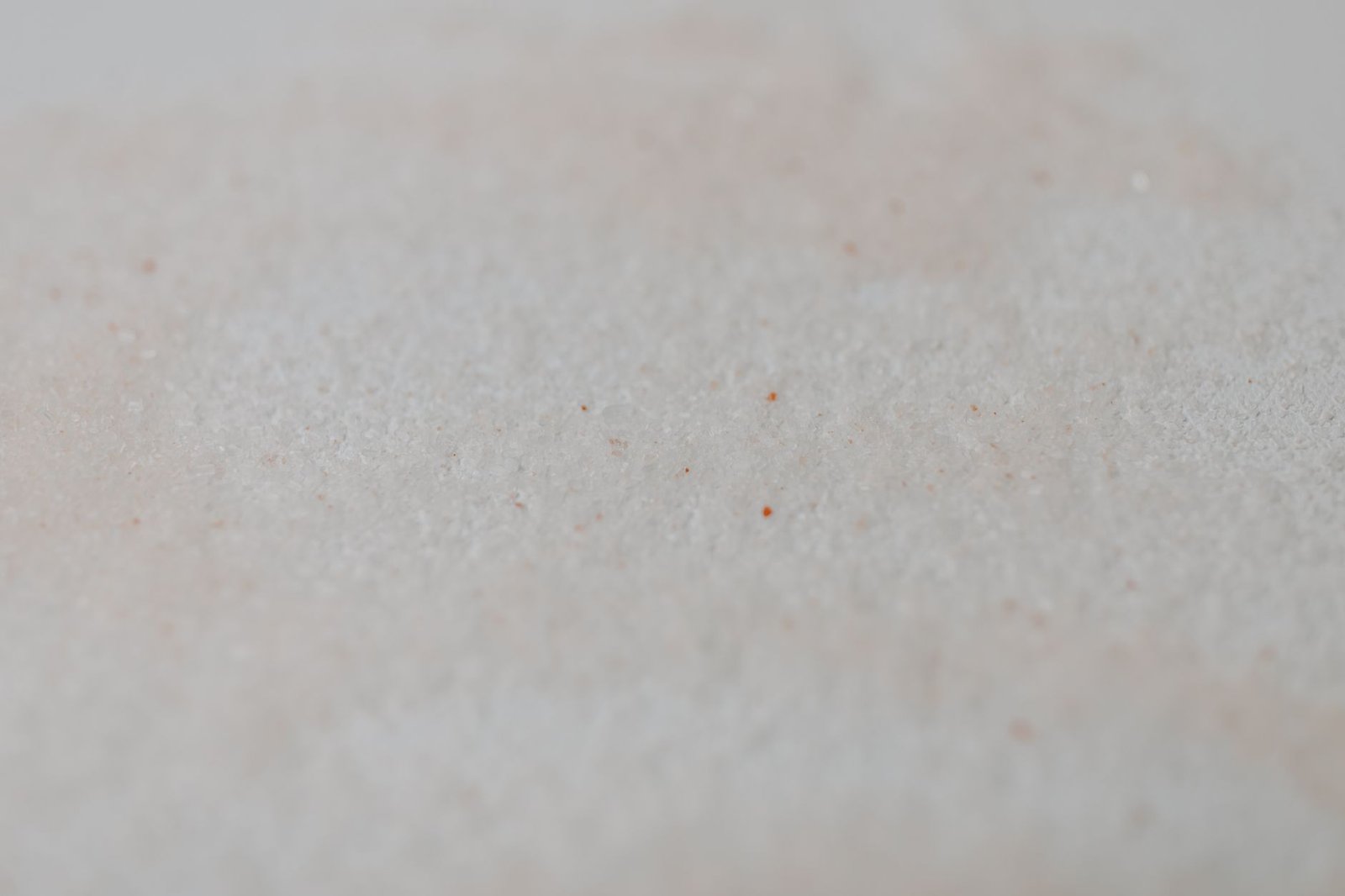
Now stop and look at the texture. You are aiming for wet sand. A spoonful should hold its shape and look damp, not glossy, and there should be no oil pooling at the bottom of the bowl.
If it looks dry and crumbly, add oil a teaspoon at a time. If there is a puddle, add more sugar. This is the step every recipe skips and it is the only thing standing between you and a jar that separates.
Then fold in the honey, then the scent, and spoon it into a jar.
The four ways people ruin it
- Following the volumes blindly. Different sugars and oils behave differently. Judge by texture, not by the numbers.
- Beating instead of folding. Hard mixing shatters the sugar grains, and the grains are the product.
- Adding anything with water in it. Fresh lemon juice, aloe from a plant, milk. Water means bacteria. Oil and sugar alone do not spoil that way.
- Storing it in the shower. Steam and splashes get in and you have created the water problem you avoided.
FYI the water one is the important one. A scrub with fresh fruit in it looks lovely on a photo and is a petri dish by the following week. :/
Watch this before you start
Picking your sugar
White granulated is the default and suits arms and legs. Medium grain, easy to find, cheap.
Brown sugar is softer and slightly damp, which makes it the gentlest option and by far the best smelling. If you have sensitive skin or you are making this for someone else, use brown.
Caster sugar is finer again, good for chest and shoulders.
Demerara is coarse and belongs on feet and elbows only.
One thing worth knowing: sugar dissolves as you use it in a warm shower, so a sugar scrub gets progressively gentler over the minute you are using it. That is a genuine safety feature and the main reason to prefer sugar over salt on larger areas.
 Save
Picking your oil
Sweet almond oil is the easiest to work with. It stays liquid at any temperature, has almost no smell of its own, and absorbs well.
Coconut oil is the most popular and behaves differently by season, solid in a cold room and liquid in a warm one. Neither state is a problem, but it does mean the same recipe feels different in January and July.
Olive oil works perfectly well and smells faintly of olive oil. Sunflower oil is the cheapest and is perfectly fine.
Avoid anything you would not put on your skin neat, and avoid mineral oil if you want the scrub to feel like a treat rather than like a lubricant.
Using it properly
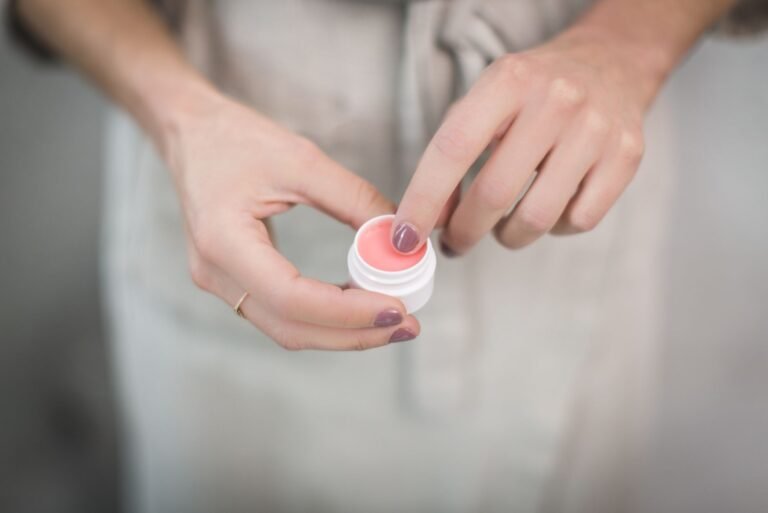
Get in the shower and wash first. Then turn the water off or step out of the stream, take a scoop, and massage it into damp skin in small circles.
Thirty seconds per area is genuinely enough. Scrubbing harder does not make you smoother, it makes you red.
Rinse in warm water rather than hot. Pat dry rather than rubbing. Then moisturise within about three minutes, while your skin is still slightly damp, because that is when it holds the most water.
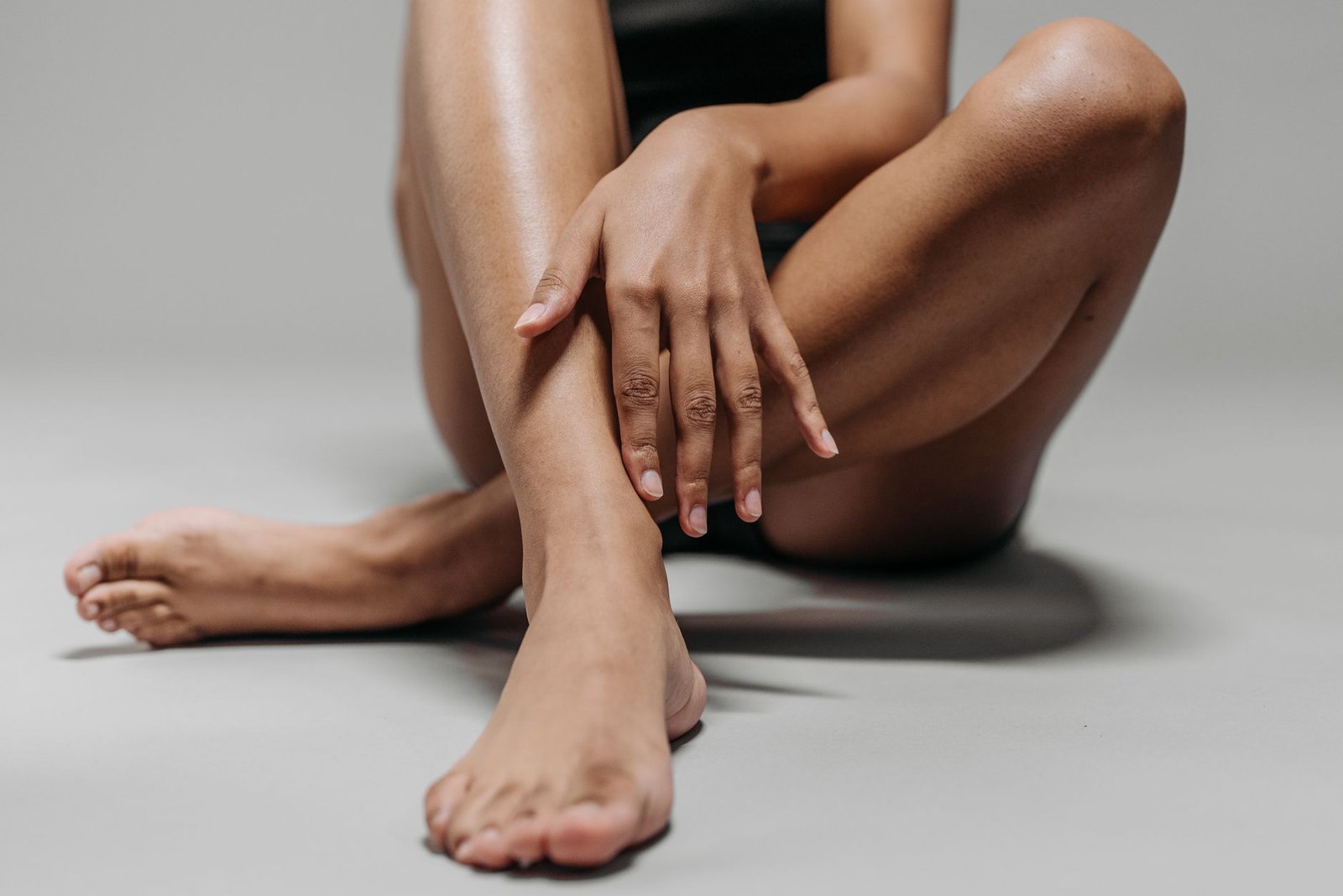
Once or twice a week on arms and legs. Never on your face, never on freshly shaved skin, and never on anything broken or sunburnt.
 Save
Making it a gift
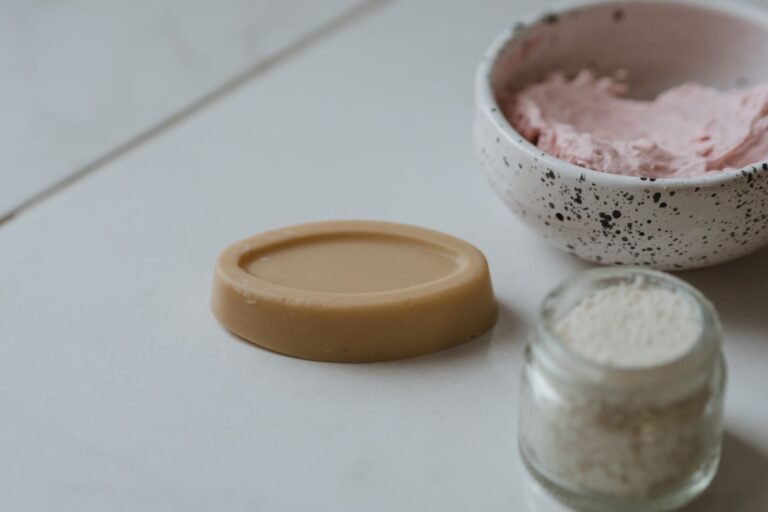
This is the reason half the internet makes sugar scrub. A jar with a ribbon looks like it cost far more than it did.
If you are making it for someone else, use brown sugar and vanilla, use a smaller jar than feels right, and write the date and a use-by of two months on the label. Also write “keep out of the shower” on it, because they will otherwise put it in the shower.
Common questions
How long does it keep?
Two to three months in a sealed jar at room temperature. The oil going rancid is what limits it.
Can I use it on my face?
No. Sugar grains cause micro-tears in facial skin. Use a chemical exfoliant there instead.
Why is mine oily on top?
Too much oil for the amount of sugar. Fold more sugar through until it looks like wet sand.
Can I make it without oil?
Not really. The oil is what binds it and what leaves your skin soft. Without it you are just rubbing dry sugar on yourself.
Is brown sugar better than white?
Gentler, and it smells better. White is slightly more effective on rougher skin. Neither is wrong.
Can I use it every day?
No. Once or twice a week. Daily physical exfoliation is how people end up with irritated, shiny, over-scrubbed skin.
The short version
200g sugar, 100ml oil, a spoon of honey, a few drops of scent. Fold rather than beat, judge by texture rather than by the numbers, keep water out and keep the jar out of the shower.
Ten minutes, and it is better than most of what you can buy. 🙂

Leave a Reply