

Vitamin E is quietly in almost every skincare product you own. It is one of the most common cosmetic ingredients there is, usually listed as tocopherol near the end of the label.
Which makes the bottle of pure vitamin E oil in a lot of bathroom cabinets slightly odd. You already have it. The question is whether the concentrated version does anything the formulated version does not.
Mostly, it does one job well and several jobs badly.
 Save
What it is doing in your other products
Two things, and only one of them is about your skin.
The first is preserving the formula. Vitamin E is an antioxidant, and the oils in a cream go rancid without one. A great deal of the tocopherol in skincare is there to keep the product stable on a shelf, not to do anything to your face.
The second is genuine skin benefit. As an antioxidant it does mop up some of the daily oxidative damage from UV and pollution, in the same broad way vitamin C does.
Its best trick, though, is teamwork. Vitamin E and vitamin C together are more effective than either alone, and vitamin E noticeably extends how long an unstable vitamin C formula survives.
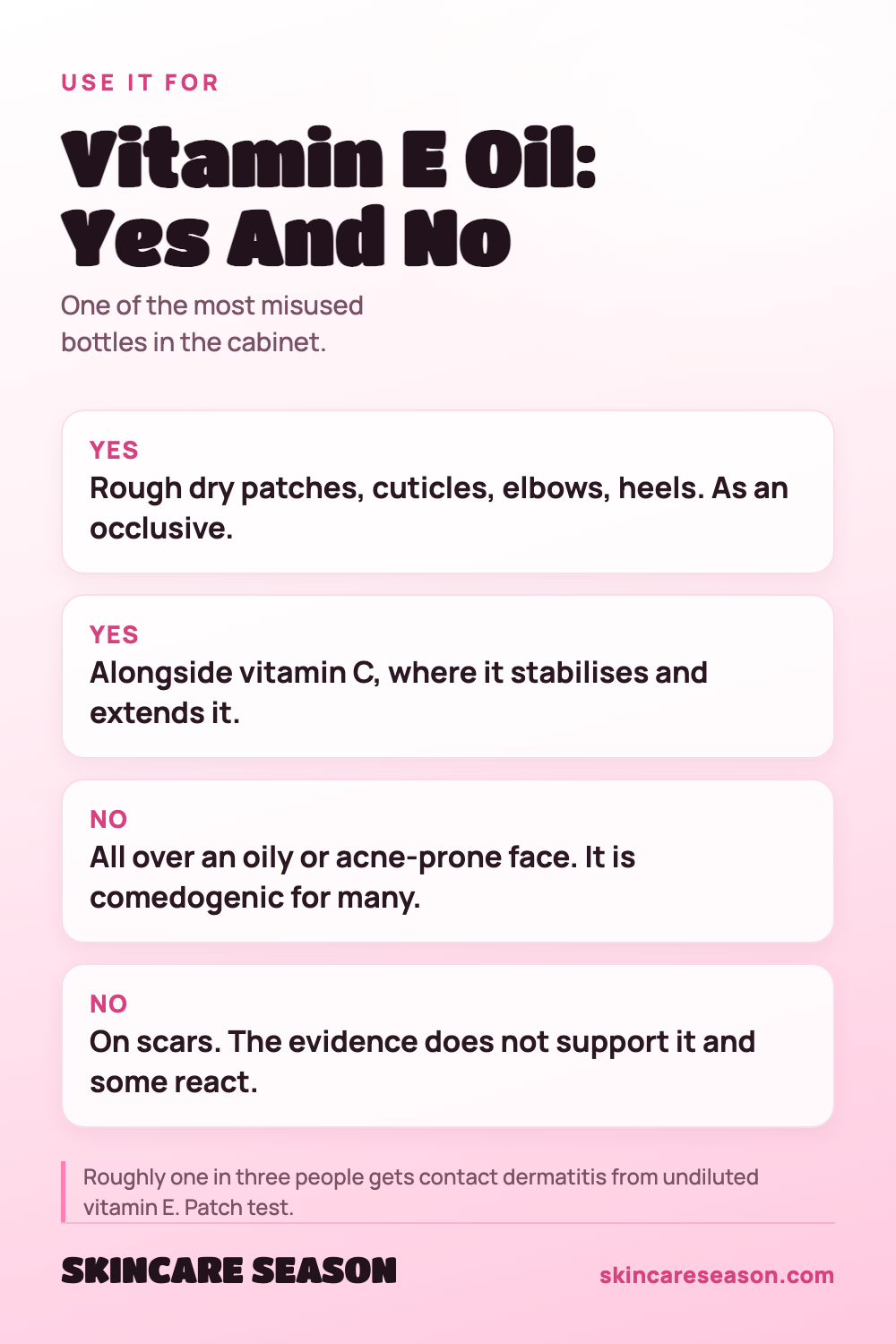
Yes and no
 Save
The bottom row is the one worth sitting with, because it is the most popular use and the least supported one.
Watch this before you start
The scar claim
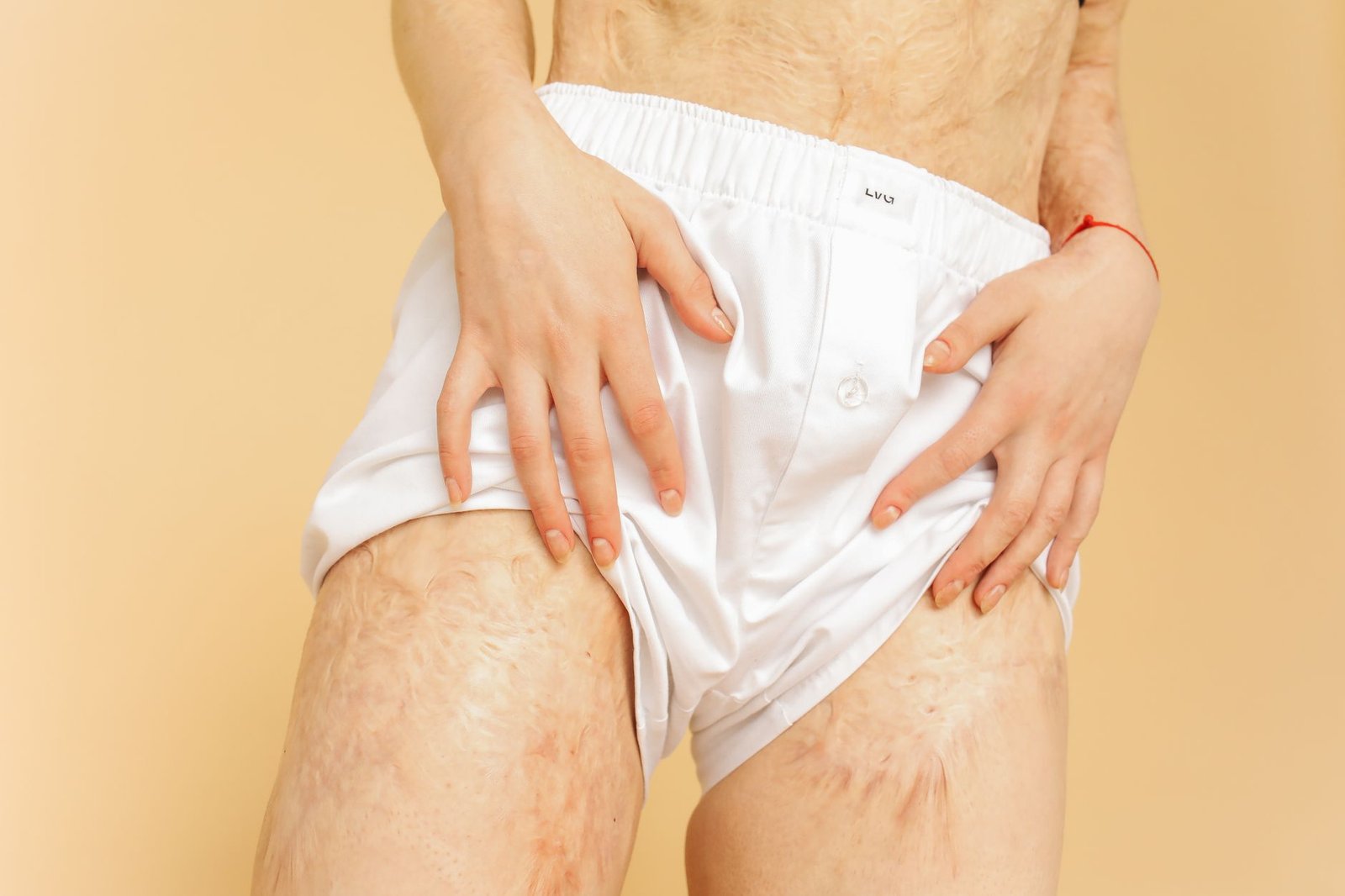
Putting vitamin E on scars is one of the most widely repeated pieces of skincare advice there is, and the evidence has not been kind to it.
Studies looking at topical vitamin E on scars have generally found no improvement compared with a plain moisturiser, and several found a meaningful proportion of participants developed contact dermatitis from it. In some, the scars treated with vitamin E looked worse.
What actually helps a healing scar is unglamorous: keep it moisturised, keep it out of the sun, and give it time. A plain occlusive does the moisturising part without the irritation risk.
 Save
The irritation problem
Pure vitamin E oil is a surprisingly common contact allergen. Estimates vary, but a meaningful minority of people react to it undiluted.
The reaction usually shows up as itching, small bumps, or a rash a day or two after use, which makes it easy to blame on something else entirely.
So patch test properly. A small amount in the same spot, once a day for four days, before it goes anywhere near your whole face. FYI this is one of the few ingredients where the patch test genuinely earns its keep.
Where it is actually good
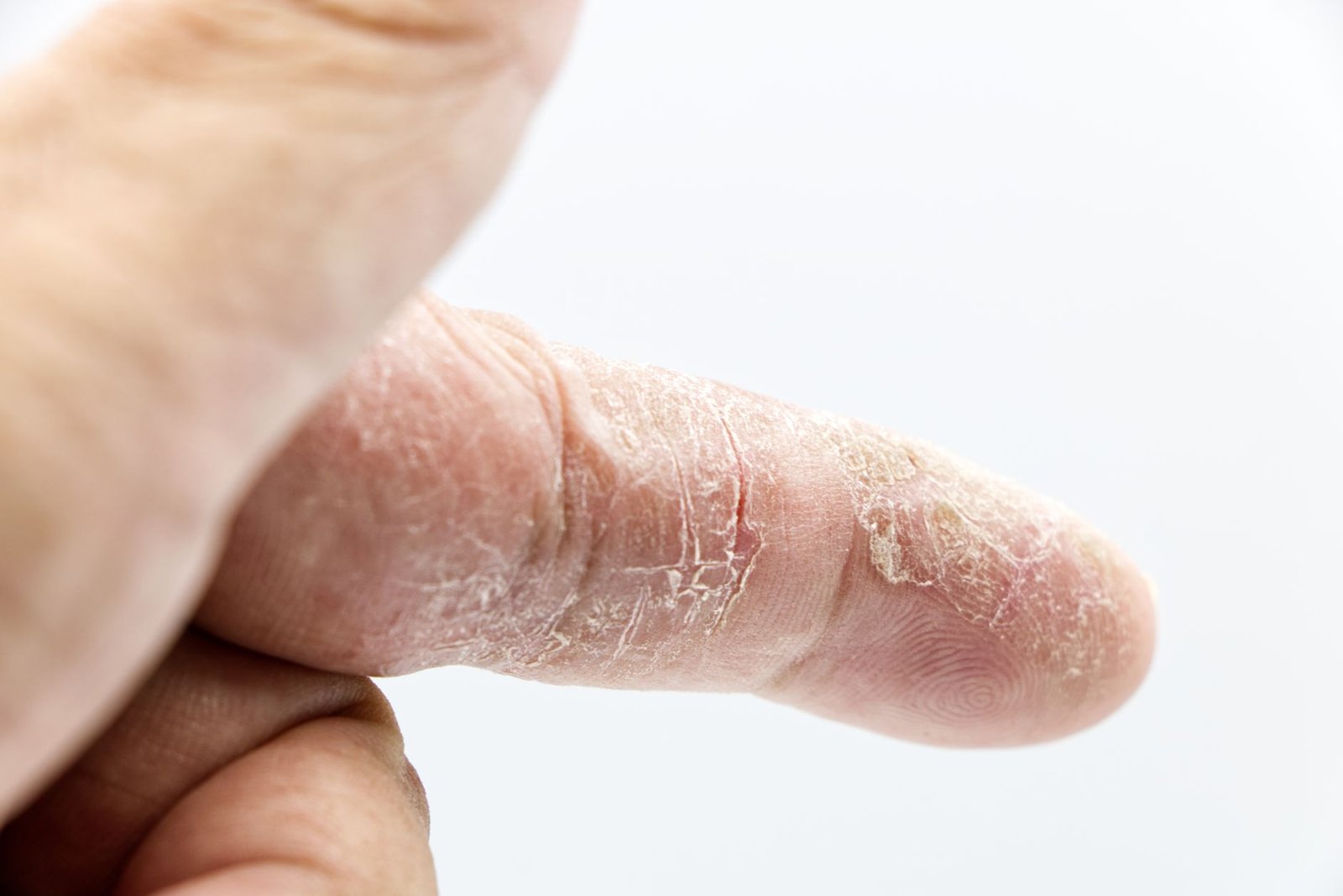
Thick, occlusive, and rich, which makes it excellent for small rough areas and poor for large areas of face.
- Cuticles and nail beds, where its thickness is a feature.
- Elbows, knees and heels, the same.
- Very dry patches on the body, as a targeted seal.
- Over lip balm at night on badly chapped lips.
- Formulated into a vitamin C serum, which is where it does the most good of all.
What it is not good for is spreading across a whole face, particularly an oily or congested one. It is heavy, it is comedogenic for plenty of people, and there are lighter oils that do the emollient job better.
 Save
How to buy it
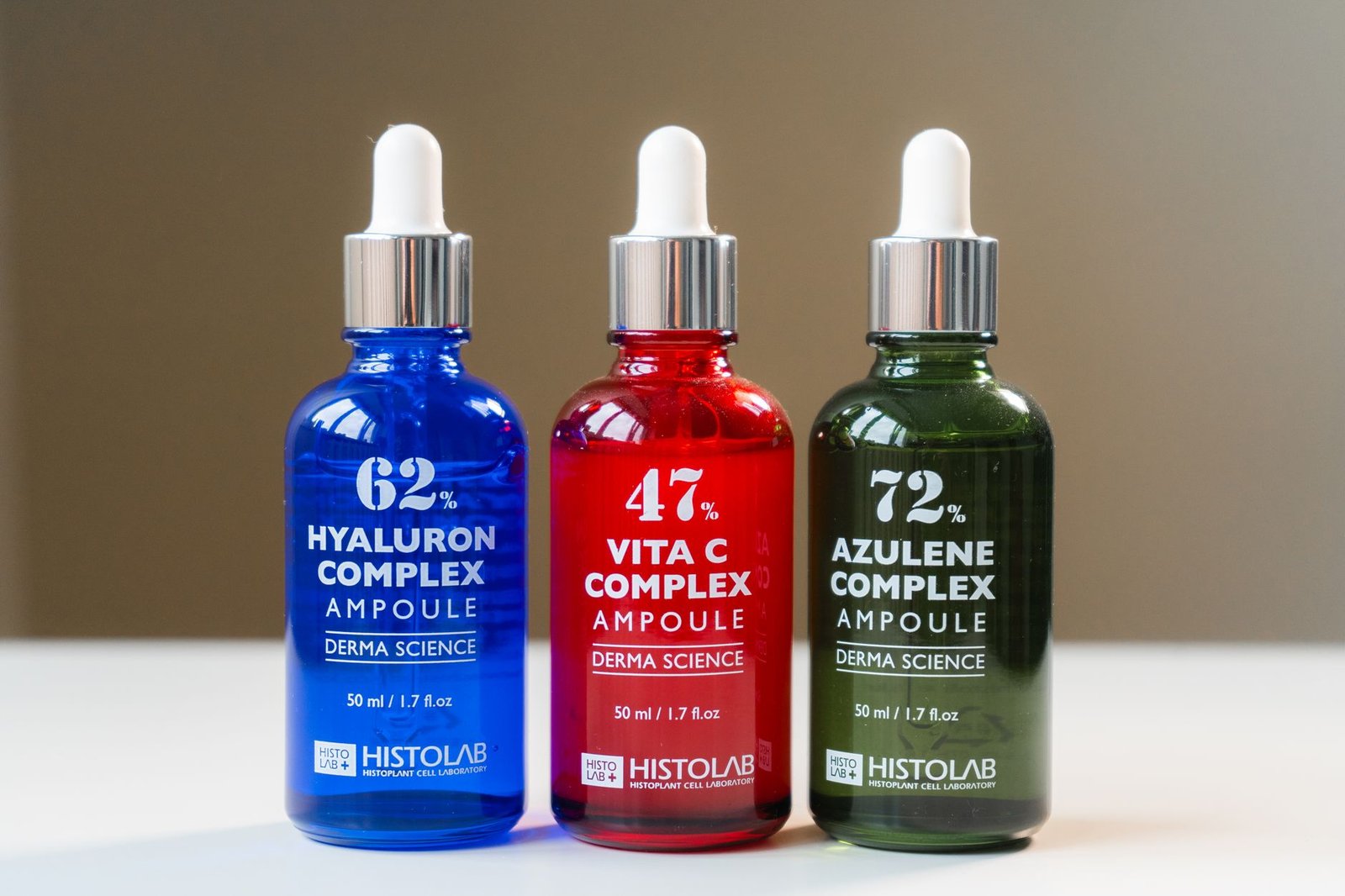
If you want it as a serum ingredient, do not buy it separately at all. Buy a vitamin C serum that already contains tocopherol and ferulic acid, where the three are formulated to work together and stabilise each other.
If you want the pure oil for cuticles and rough patches, look for tocopherol or tocopheryl acetate, in a small dark bottle, and expect it to be cheap. This is not an expensive raw material.
Mixed vitamin E, containing several tocopherols and tocotrienols rather than one, is somewhat better than the single-form version, though the difference is smaller than the price gap usually suggests.
How to use it without regretting it
Dilute it. Pure vitamin E oil is thick enough to be unpleasant on its own, and a few drops mixed into a moisturiser or a lighter carrier oil spreads far better and reduces the irritation risk.
Use it at night. It leaves a sheen, and under sunscreen or makeup it tends to pill and slide.
Keep it targeted. This is a spot-treatment oil for rough patches, not an all-over facial oil, and treating it as the latter is how most people conclude it broke them out.
 Save
Tocopherol versus tocopheryl acetate
Two names appear on labels and they are not quite the same thing.
Tocopherol is the active form. It works immediately as an antioxidant and it is the one with the evidence behind it, but it is unstable and degrades in the bottle.
Tocopheryl acetate is a stabilised version. It survives storage far better, and your skin has to convert it before it does anything, which it does slowly and incompletely.
For a serum you want on your skin doing antioxidant work, tocopherol is the better ingredient. For a product that has to sit on a shelf for a year, the acetate is why the formula is still usable.
Common questions
Does vitamin E fade scars?
The evidence says no. Keeping a scar moisturised and out of the sun helps. A plain occlusive does that without the irritation risk.
Can I put it on my whole face?
You can, but it is heavy and comedogenic for many people. A lighter oil is a better choice for all-over use.
Is it safe to use daily?
On small rough areas, yes, once you have patch tested. Diluted into a moisturiser is the safest way to use it regularly.
Should I break open a capsule?
The oral capsules are formulated for swallowing rather than for skin, and are not sterile once opened. A proper topical oil is a better idea.
Vitamin E or vitamin C?
Vitamin C, if you are picking one. But the best answer is a serum containing both, because they work considerably better together than apart.
The short version
Vitamin E is a good antioxidant, an excellent partner for vitamin C, and a heavy occlusive oil that suits cuticles, elbows and dry patches.
It is not a scar treatment, and it irritates a fair number of people undiluted. Patch test, dilute it, keep it targeted, and get most of your vitamin E from a well-formulated vitamin C serum instead. 🙂

Leave a Reply