

Lip products with hyaluronic acid in the name sell on one promise, and it is a promise the ingredient can only half keep.
The hydration part is real and genuinely useful. The plumping part is real for about two hours. The suggestion that it does anything like an injectable is not real at all, and the shared name does a lot of work in that confusion.
Here is what you are actually buying.
 Save
Why lips dry out in the first place
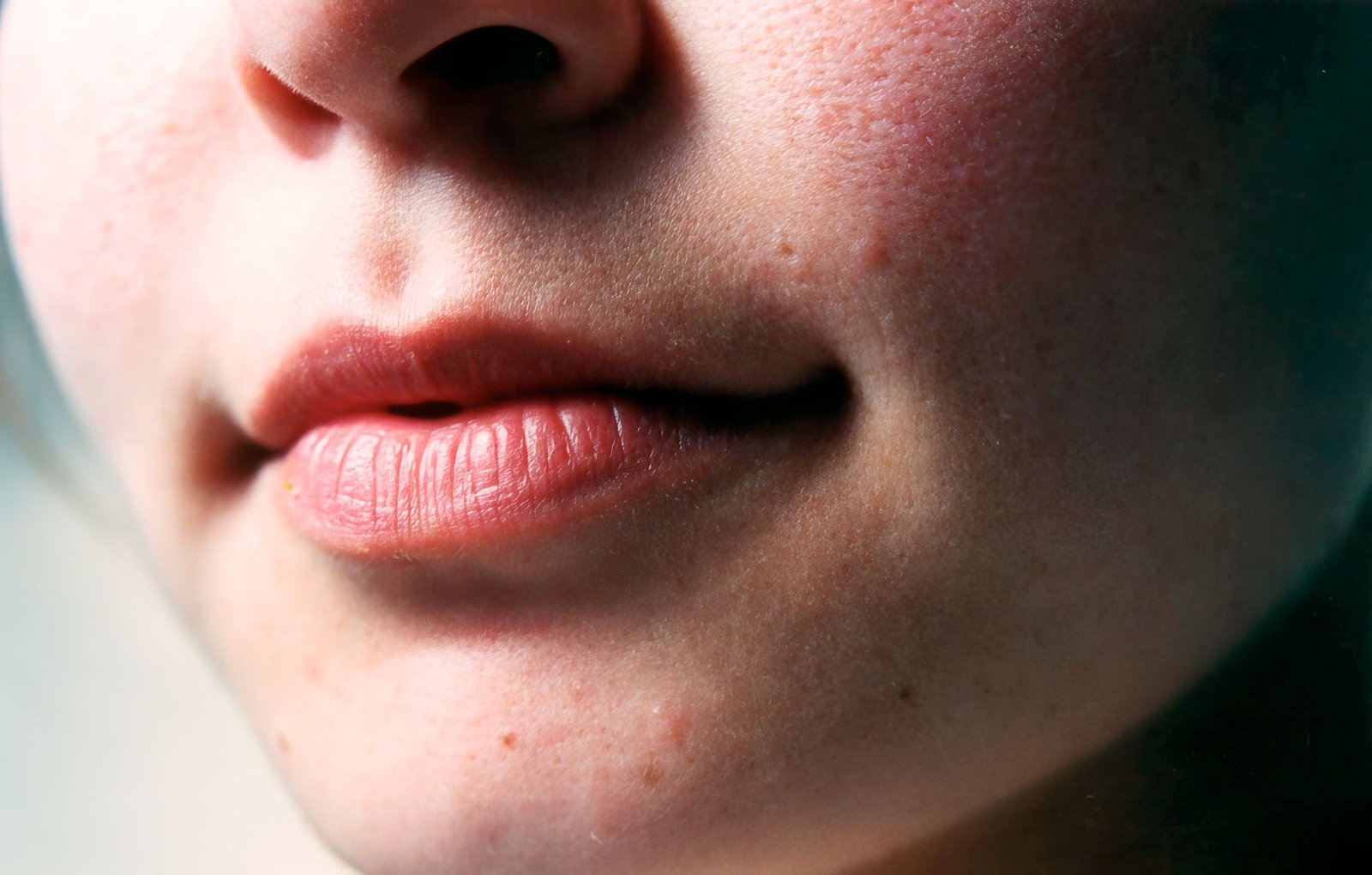
The skin on your lips is different from the skin on the rest of your face, and the differences all point the same way.
It is thinner, with fewer layers between the surface and the blood vessels underneath, which is why lips look pink. It has almost no oil glands, so it cannot produce its own protective layer. And it has no sweat glands, so it cannot hold moisture the way the rest of your skin does.
Lips lose water faster than any other skin on your body and have the fewest defences against it. That single fact explains most of what follows.
What hyaluronic acid does there
The same thing it does anywhere else. It is a humectant, so it attracts water and holds it in the surface layers.
On lips that effect is more noticeable than on your face, because you are starting from a drier baseline. Lips go from tight and flaky to soft and comfortable fairly quickly, and that part is a genuine benefit worth paying for.
The problem is that a humectant on lips with nothing over it is even more exposed than a humectant on your cheeks. It holds water for as long as the water has somewhere to sit, then the water evaporates and you are back where you started.
Watch this before you start
The three claims, graded
 Save
The middle row is where the disappointment lives. The plumping is real, and it is swelling from hydration rather than any change in the lip itself. It lasts hours, not days, and it is gone by the time you would have noticed it in a mirror.
 Save
Why the effect fades by lunchtime
Three things are working against it, all day.
You talk, which exposes lips to moving air. You eat and drink, which physically removes product. And you lick your lips, which feels like it helps and does the exact opposite, because saliva evaporates fast and takes surface moisture with it.
So a hyaluronic lip product applied at eight in the morning has usually stopped doing anything by midday. That is not a bad formula, it is the environment. IMO the honest expectation is that this is a product you reapply, not one you apply.
How to make it actually last
The fix is the same as on your face, and it is the step nearly everyone skips.
- Apply to slightly damp lips. After a drink, or after a shower, rather than to dry ones.
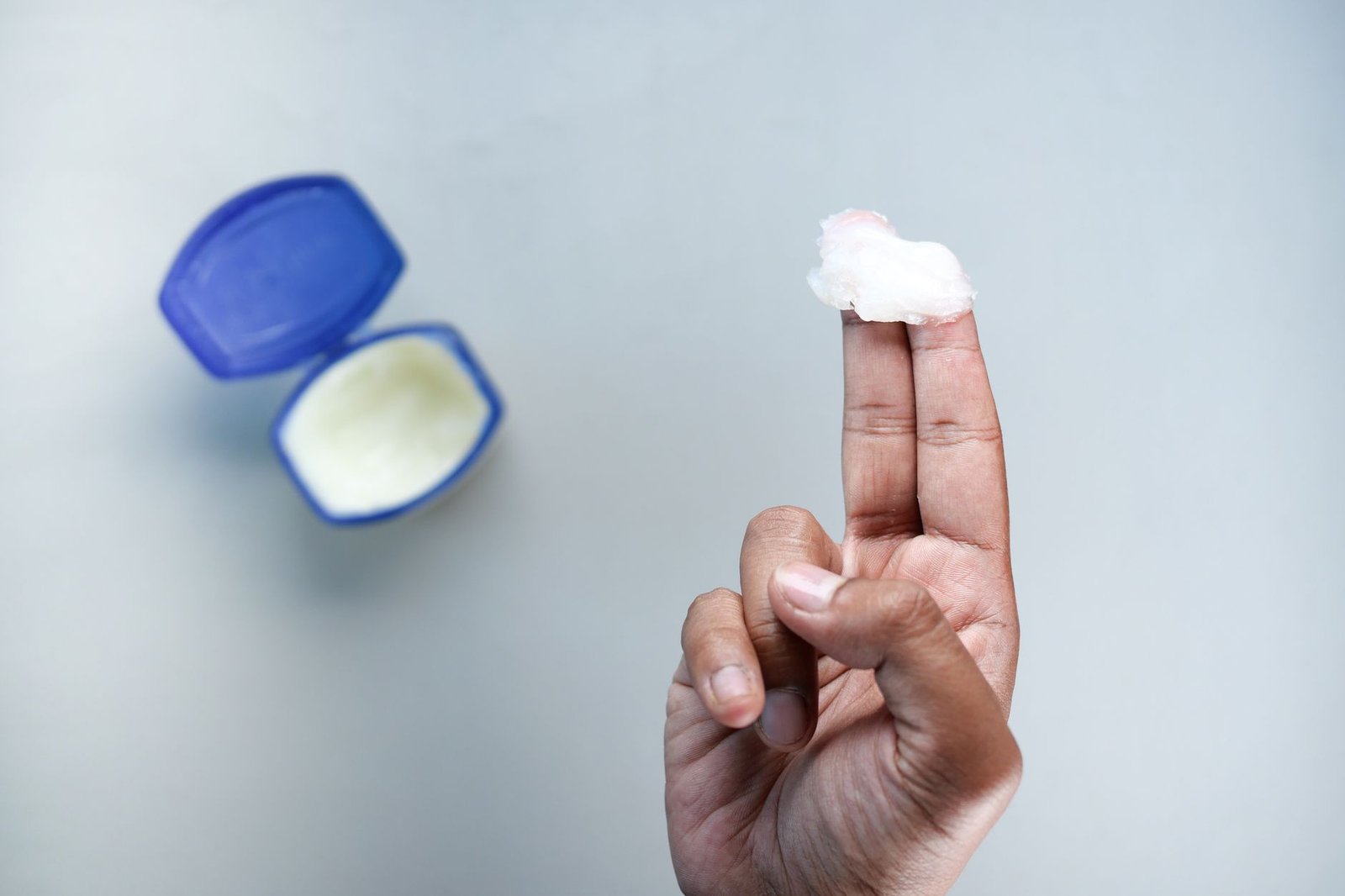
- Seal it immediately with a proper occlusive balm. Petrolatum, lanolin, shea or beeswax.
- Reapply the balm, not the serum, through the day. The seal is what fails first.
- At night, hyaluronic then a thick balm is the version that actually shows results by morning.
Used alone on dry lips in a heated room, a hyaluronic lip serum can leave your lips tighter than before, for exactly the same reason the face version does. :/
 Save
What to stop doing
Two habits undo more than any product can fix.
Licking your lips. It is the single most common cause of persistently chapped lips, and it feels like relief every time, which is why it is so hard to stop.
Scrubbing them. Lip scrubs have their place on genuinely flaky lips, occasionally. Using one daily on lips that are already sore removes what little barrier they have.
Also worth checking: a lot of tingling or minty lip balms contain menthol, camphor or salicylates, which feel like they are working and are mild irritants. If your lips get worse the more balm you use, that is usually why.
Is it worth buying separately
Honestly, for most people, no. A good occlusive balm does more for chapped lips than a hyaluronic serum does, at a lower price, and plenty of decent balms already contain a humectant alongside the seal.
Where a dedicated hyaluronic lip product earns its place is on lips that are dehydrated rather than just exposed, usually alongside a night routine, and always with something over the top.
 Save
What to look for in a lip product
Ingredient lists on lip products are short, which makes them easy to read once you know what you are looking at.
You want a humectant and an occlusive in the same product, or in two products you use together. Hyaluronic acid, glycerin or honey on the humectant side. Petrolatum, lanolin, shea butter or beeswax on the occlusive side.
What you want to avoid is menthol, camphor, phenol and salicylic acid. All four produce a tingle that reads as effectiveness and all four are mildly irritating on skin that is already damaged. If your lips get worse the more balm you apply, check for those four first.
Common questions
Will it make my lips permanently fuller?
No. Nothing topical can. The temporary swelling from hydration is the entire effect and it lasts hours.
Is it the same as lip filler?
No. Filler is injected into the lip. A topical product works on the surface layers only. The shared ingredient name is doing a lot of misleading work.
Can I just use my face serum on my lips?
Yes, and it will work about as well. Just put a balm over it, which matters even more on lips than on your face.
Why do my lips feel worse after using it?
Applied to dry lips with nothing sealing it, a humectant pulls water up and out. Damp lips, then balm.
How often should I reapply?
The balm, several times a day. The serum, morning and night is plenty.
The short version
Real hydration, real but brief plumping, no lasting volume. It works when applied to damp lips and sealed with a proper occlusive balm, and it works against you when used alone on dry lips in dry air.
If you are choosing one product for chapped lips, choose the balm. 🙂

Leave a Reply