
Retinol has the best evidence of anything you can buy without a prescription, and it also has the highest quit rate. Those two facts are related. People buy it, use it every night because that is what the box implies, and by day five their face is flaking off in the bathroom mirror.
Then they decide their skin is too sensitive for retinol and never touch it again. Which is a shame, because almost nobody’s skin is too sensitive for retinol. They just started at a pace nothing could have survived.
So here is the slow version. It is less satisfying and it works.
What retinol actually does
Retinol is a vitamin A derivative. Once it is on your skin it converts, in a couple of steps, into retinoic acid, and retinoic acid tells your skin cells to turn over faster than they otherwise would.
The practical result of that is threefold. Dead cells clear off the surface quicker, so texture smooths and pores look smaller. Pigment gets carried up and out faster, so dark marks fade. And over a much longer timescale it nudges collagen production, which is the part everyone buys it for and the part that takes the longest.
The first two happen in weeks. The third takes months. Anyone promising firmer skin by Friday is selling something.
Why almost everyone’s first attempt goes wrong
Faster cell turnover sounds great until you remember that your skin barrier is made of those cells. Push turnover too hard, too fast, and you strip the barrier faster than it rebuilds. That is the flaking. That is the stinging when you put on anything else. That is the weird tight feeling.
This is so common it has a name, the retinol uglies, and the standard advice is to push through it. IMO that advice is rubbish. The uglies are not a rite of passage, they are a sign you went too fast, and going slower gets you to the same place with none of it.
Watch this before you start
The beginner schedule that actually works
Start once a week. Not every other night. Once a week, for two full weeks.
Then twice a week for two weeks. Then every other night for a month. If at any point your skin gets tight, red or flaky, you drop back to the previous step and stay there until it settles. There is no prize for finishing early.
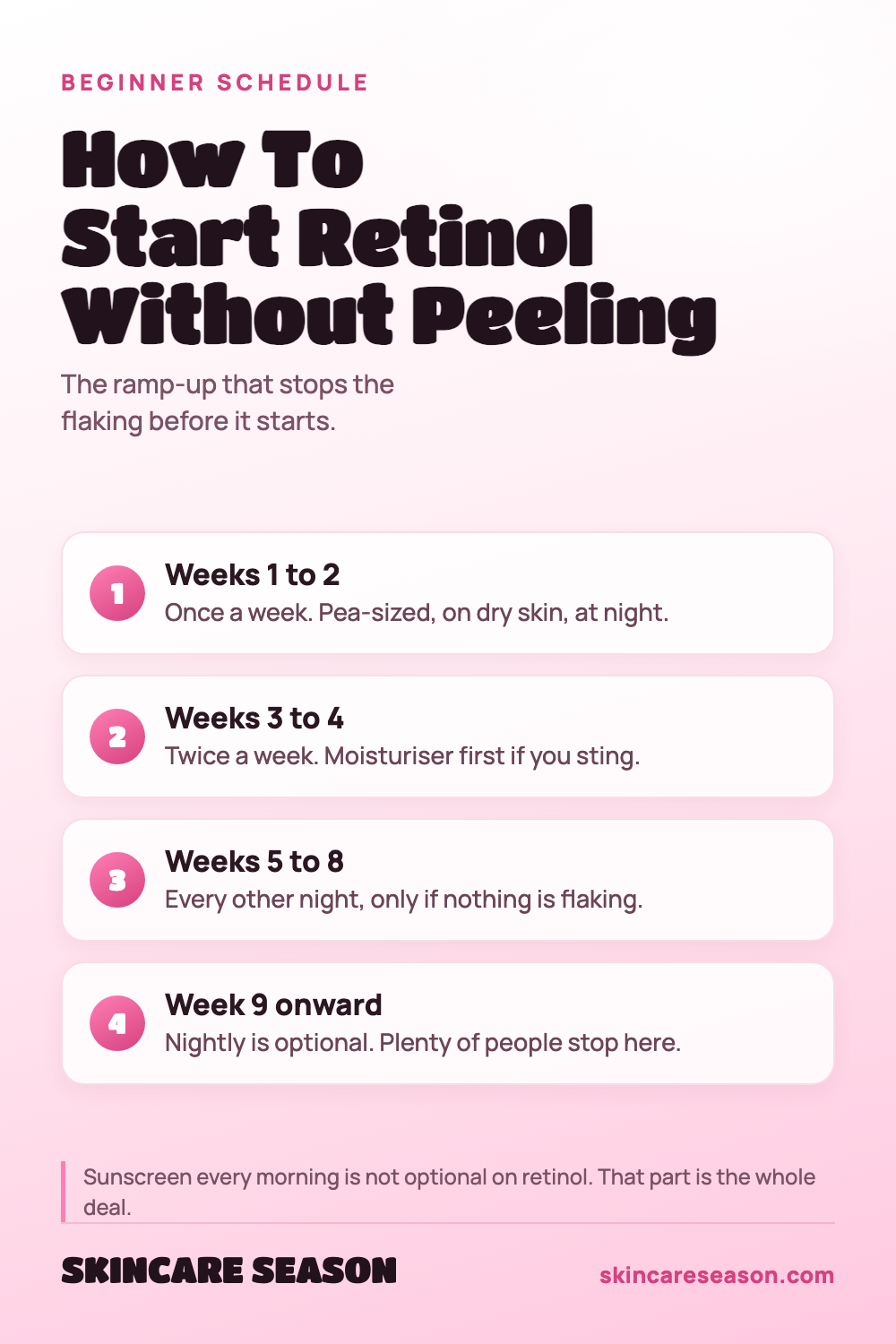
Most people land at every other night and stay there permanently, and that is genuinely fine. The gap between every other night and nightly is much smaller than the gap between nothing and once a week.
What strength to start on
Somewhere between 0.2% and 0.3%. That is it. That is the whole answer.
The temptation is to buy 1% because it sounds like it will work three times faster. It will not. Above a certain point you are not getting more results, you are getting more irritation, and irritated skin looks worse than skin that is doing nothing.
- 0.2% to 0.3% is where a beginner should start, full stop.
- 0.5% is a reasonable place to move to after six months, if you want to.
- 1% is for people who have been doing this for a year and have a reason.
- Encapsulated or slow-release versions release more gradually and are worth the extra few pounds if your skin is reactive.
What to pair it with, and what to keep well away
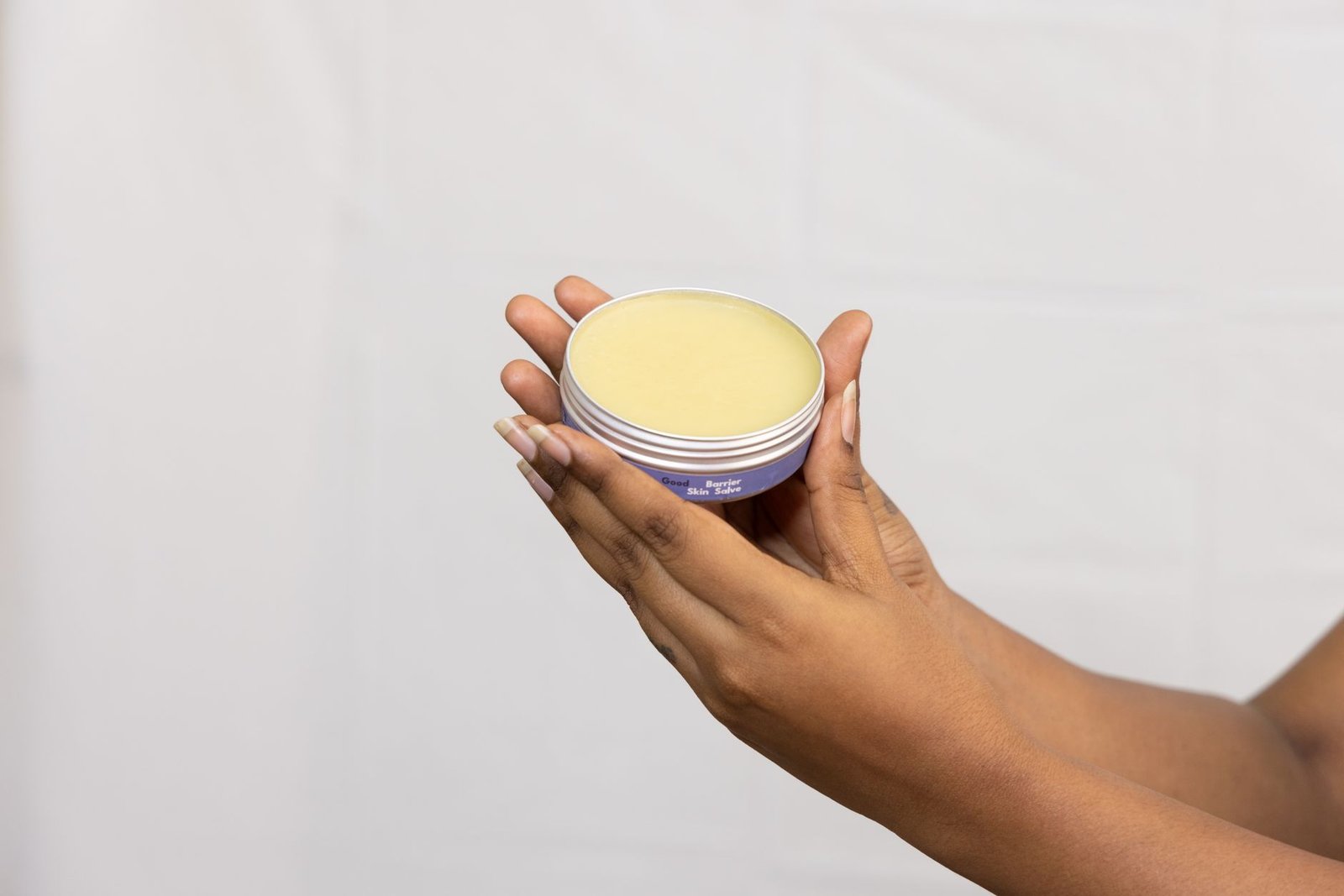
The pairing rule is simpler than the internet makes it sound. Retinol goes on at night, on dry skin, after cleansing. Moisturiser goes on top. That is the routine.
If you sting, use the sandwich method: moisturiser, then retinol, then moisturiser again. It slightly reduces how much gets through, which is exactly what you want in month one.
What to keep away from it, at least at first:
- Exfoliating acids on the same night. Glycolic, salicylic, lactic. Pick one or the other, alternate nights.
- Vitamin C in the same routine. Not because it is dangerous, but because both can irritate and you will not know which one to blame. Vitamin C in the morning, retinol at night.
- Physical scrubs entirely, while you are ramping up.
- Benzoyl peroxide at the same time of day.
Sunscreen is not a suggestion here
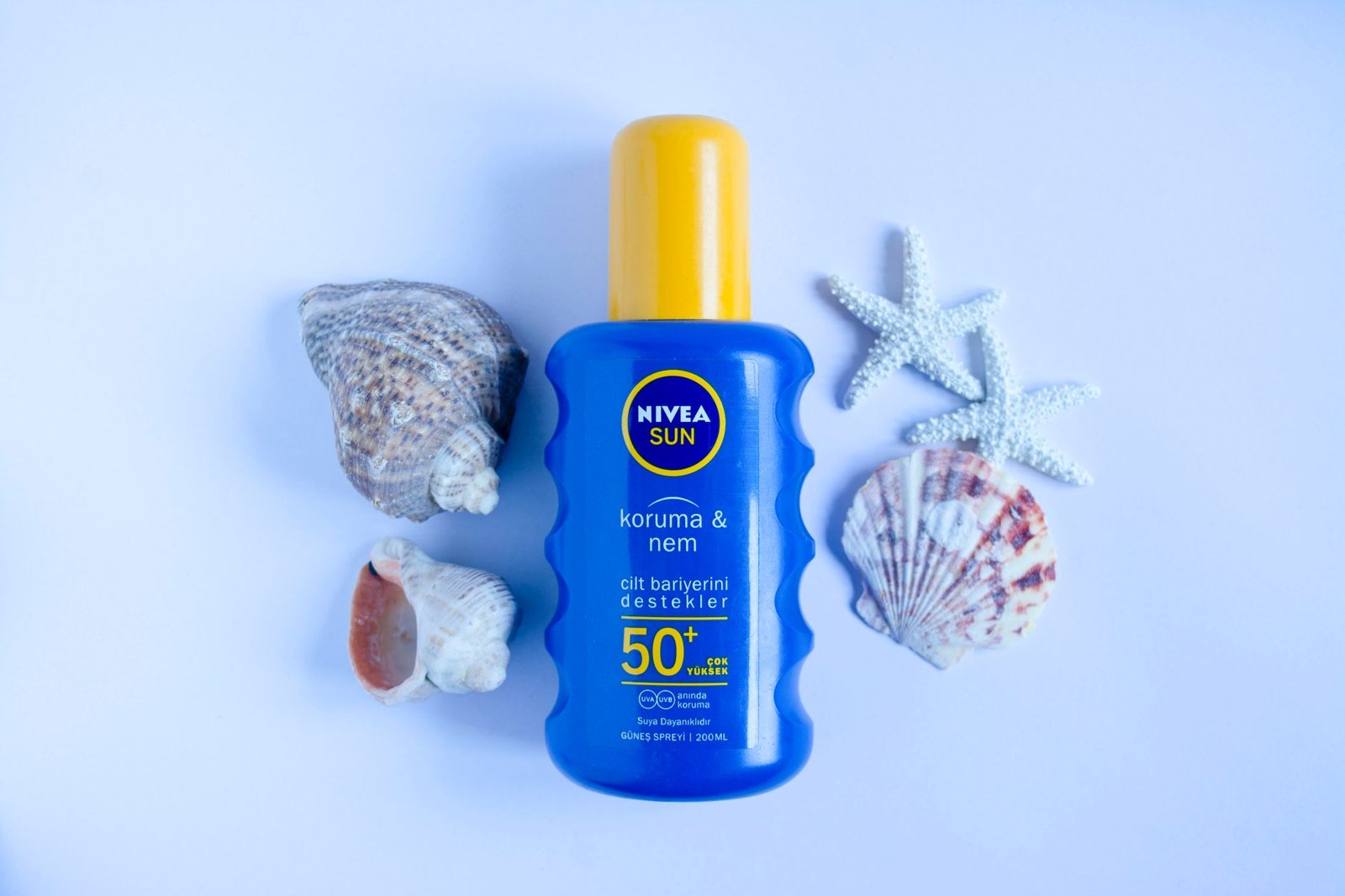
Retinol makes your skin more sensitive to UV, and the whole point of using it is to undo sun damage. Using retinol without daily sunscreen is bailing water into the boat.
Every morning, rain included. FYI this is the single most skipped step and the reason plenty of people see no change after six months of otherwise perfect use.
What to realistically expect, and when
Weeks one to four, honestly, not much. Maybe slightly smoother texture. This is the stretch where most people give up.
Weeks four to eight is when texture visibly improves and pores start looking tighter. Weeks eight to twelve is when dark marks noticeably fade. Anything to do with fine lines is a six to twelve month conversation, and it shows up as skin that looks better rested rather than a line disappearing.
Take a photo on day one in daylight, no makeup, same spot by the window. You will not notice gradual change on your own face, and in eight weeks that photo is the only honest comparison you have. 🙂
Common questions
Can I use retinol if I am pregnant?
No. Vitamin A derivatives are not recommended during pregnancy or breastfeeding. Stop and speak to your doctor about what is suitable instead.
Should I use it in summer?
Yes, as long as you are wearing sunscreen properly. The seasonal break advice is mostly a hangover from when sunscreens were unpleasant to wear.
How long before I can go up a strength?
Six months at your current step, with no irritation at all, and only if you actually want to. Plenty of people never move past 0.3%.
Is it normal to purge?
Some small breakouts in the first few weeks are common as congestion clears faster than usual. If it is widespread, painful, or still happening after eight weeks, that is not purging and it is worth stopping.
Can I use it around my eyes?
The skin there is thinner and reacts sooner. Wait until you are comfortable at every other night on the rest of your face, then bring it close but not onto the lid.
The short version
Start at 0.2% to 0.3%, once a week, at night, with moisturiser on top and sunscreen every morning. Go up a step only when the previous one is completely uneventful. Take a photo on day one.
Do that and you will be one of the people for whom retinol worked, rather than one of the many with an expensive half-used bottle in a drawer. :/